Tuesday, May 15, 2012
POETRY...
It's been years since I've written a poem, new or even sketch...truth is reviews are the main focus of my literary life. I haven't lost the drive for it but there still remains such a need for critical analysis for the arts that there I remain, "the critic". Nonetheless, I was inspired today to post a poem (February 2005) called BEAUTIFUL CHAMELEON.
The title is based on the state in which poetry is received and the poet him/herself. In this case, it's inspired by Kei Miller, after a reading I followed him to at Poetry Society that year. A poet has to be a chameleon, like any performer, especially when reading their work. Personally, I've never enjoyed that part of the process...I much prefer the reader to open up a magazine and interpret for themselves the words. For i feel once you read it, its meaning to you flies through the air and deposits unto minds with its own new, twisted meaning. It is also a one-time thing, unlike in print where it can be revisited.
Kei, or as most of us call him, Andrew, has the gift for live speech. I wanted to capture that as well as the willing audience in Jamaica: they came to be charmed because his star was ascending and the poetry was secondary to that rising star. The poetry was but the excuse to bring them together. Imagine their faces when they find out that amid the spectacle that they've actually been 'touched'...that poetry really affects them in ways they were not prepared to be affected.
That night reminds me so vividly how Jamaicans receive the literary arts and how, in turn, the literary arts receive Jamaicans. May both thrive for many, many years...
BEAUTIFUL CHAMELEON
I remember: those locks shook noisily
when rain fell on the encircled arena.
by the dug-out there's a tree, unnamed Muse,
yet you wrap its leaves around your fingers still,
fresh with the scent of your joint.
Hidden from view by growing grass,
the chameleon has gathered the witnesses
making little circles in their seats.
Rainy night at the open yard session,
incense snafus on the air,
on the chipped mike
the chameleon is raw.
Nervously his smoke sinks in the pit
of bellies a-quiver for more smoke,
any smoke...
The lingering, torn duplicity
that graces them all finds flight, rolls over.
I wonder: are they into a new meter and
forever metamorphosed now?
@2005
Sunday, May 13, 2012
The Avengers (2012)
Hammer Time
Two years ago when Joss Whedon (Buffy the Vampire Slayer, Cabin in the Woods) announced that he’d be directing The Avengers, millions of comic book fans held their collective breath. They can exhale now and loudly too because Whedon has not disappointed them nor the many nervy studio execs at Walt Disney. The film may have a hefty $220 million production price tag to it but, rest assured, the returns will be more than merely adequate.
Under Whedon’s direction, the film does a very neat and tidy trick of pacing itself to the point of the expected then, out of nowhere, settling into a heady sequence of imagery, yet never forgetting all the various players in motion. While not on par with The Dark Knight (best to make this unfair point quickly), the film does continue the recent trend of comic book adaptations being done extremely well since that film’s release (Star Trek: First Contact, X-Men: First Class). There are many theories as to why this is happening now but the most logical one is that studios have finally realized that to adapt a comic for the screen, they must hire a comic fanatic to direct. That is exactly what Whedon is, an unabashed geek who has devoted his adult life to such a cause.
The proof is also into the writing (Whedon again) and the seamless action that weaves a spell into it. Once Loki (Tom Hiddleston) rips through a portal from space to Earth via a Tesseract (unlimited energy source devise) in search of power and trouble, the action gets going. He uses his godlike powers to manipulate the S.H.I.E.L.D agents out to restrain him and ends up stealing the Tesseract for himself. The head of S.H.I.E.L.D, Nick Fury (Samuel L. Jackson) manages to escape the encounter and in a desperate move activates an Avengers Initiative. This A.I. group is Natasha Romanoff (Scarlett Johansson), Dr. Bruce Banner aka Hulk (Mark Ruffalo), Captain America (Chris Evans) and the irrepressible Iron Man (Robert Downey Jr.). A lot of egos to be sure, some more than others, but Fury keeps them in check even though questions begin to pile up. When Loki turns up in Germany, the team apprehends him before coming face to face with his brother, Thor (Chris Hemsworth) who trades blows with Iron Man before they decide to focus on Loki’s intentions instead.
The Avengers up to that point settles into a sort of uniformity that mildly informs and entertains but it’s what happens next that shows us the genius of Whedon’s script. As proved by his previous work, we know that Whedon is an auteur with respect to classic action…he’s no bard but functionally poetic with whatever tools are nearest to his hands. In this case, it’s a motley crew of heroes that need to band together for the survival of the human race. Within the bond, a few intriguing moments occur and we’re witness to them instead of merely acknowledging them. This is a film not just for fans but for the curious as well. Whedon also allows for a tie-in of epic proportions with the back-story of Hulk, Thor, Captain America and Iron Man…indeed, if the respective films on these characters were shaky, then this coalition effort thus makes for a safety launch pad for future adaptations, whether singly or together.
When the Tesseract eventually rips open the cosmos and evil begins worming its way into New York, the CGI action trips fantastically into full effect: from Hulk’s smashes (the unquestionable star of the show) to Iron Man’s laser power. The Avengers does deposit a lot of blame expectedly on Loki but it also traps him within his own fury, his powerlessness. His story doesn’t get lost among the others but works within a context that shows them all as vulnerable yet redolent simultaneously. When Agent Colson (Clark Gregg) tells him his actions lack conviction, the fury glints in Loki’s eyes. Most comic adaptations don’t delve too deep behind the monster but here Whedon---through frames of brotherhood—tells Loki’s story without dehumanizing him. What it also reinforces brilliantly is that he will never rise beyond it either…which is what the heroes are able to do. Nick Fury has to threaten, harass and embellish the truth to get them ‘there’ but once they get going then The Avengers rises to its own maximum potential.
And when the danger is past, a stunning effect occurs: the camera goes through the global reaction with input from the different races, age-groups etc. It’s the collective appreciation of heroism that for once isn’t forced or corny. The Avengers manages to allow these heroes to do what they do best without denigrating into assholes or totally boring us with their single points of view. That Whedon spins the black circle on them endlessly and comes up winning every time is nothing short of remarkable. He’s pulled off a massive enterprise while doing the trickery involved to keep us awed until the sequel or the next Marvel adaptation that’s no doubt coming along soon.
RATING: 8/10
Sunday, April 15, 2012
MDNA (Madonna) (2012)
Vanity Affair
Two very Madonna-like events have occurred this year that have managed to highlight to me the reality of how she now views pop music and marketing. The first event (or, more precisely, non-event) was M.I.A’s flipping the bird during the Superbowl half-time show. I won’t defend it but it struck me as odd how much it upset Madonna, given that, twenty years ago, it’d be the exact type of stunt she’d pull off with the same disregard for good old American values. Her passing it off as ‘immature’ seemed as dated as the act itself but one really suspects the fumes were to deflect any harm to potential album sales. The other event—far more predetermined—was her publicity stunt of joining Twitter for one day…the day before her twelfth studio album, MDNA, was to be released.
The implications are clear: wherever the fans are—online or off—Madonna wants to carefully (and manipulatively) get invited to the party, be the cool older sister or bestie/hag as long as you’re buying her album. If that sounds harsh then consider just how many more fifty-year old pop stars are out there doing a hip/hop album (Hard Candy) or still dressing in cheer-leader outfits (video for lead single Give Me All your Luvin’).
She’s not content to just merely being younger on MDNA but, to be exact, she wants to be a younger version of herself, just not as risqué or musically daring. Instead, she wants to reference her past to connect to some current hot mess, trendy yet world weary at the same time. MDNA’s existence thus serves as nothing more than an excuse to dig through so much necromancy that even all the guest raps here are mini odes to her aged awesomeness. If its predecessor--Hard Candy—was a ridiculous move to embrace hip/hop, then this is the inevitable peeling away at her fabulous flesh in the hope of finding something that once was that can be again.
Whatever that ‘thing’ is, rest assured she hasn’t found it on MDNA because Madonna is best when she’s originating or highlighting a new trend, not whorishly copying something any pop diva worth her buck isn’t already doing. She is blithely unaware that her branding something or approval isn’t necessary to make it popular or listenable anymore. To make things worse, what she’s seeking to market is herself as relevant for a fourth decade in music. To accomplish this she’s teamed up with old pal William Orbit and invited Martin Solveig, Benny Benassi, Nicki Minaj and M.I.A for the ride.
MDNA starts off with Girl Gone Wild, a song that repeats the phrase ‘bad girl’ and ‘burning up’—two previous Madonna titles from better albums. The mid-section works but the corny lyrics throw off any serious artistic intent. If her aim was to just mimic the ridiculous vanity phase Rihanna’s career seems stuck at then she’s succeeded but that itself makes the track embarrassing on so many levels. The Lady Gaga-aping music video is shameless gay-bait, as if reminding homosexuals just who had their interests for so many decades and who now demands back their rapt attention. The tragedy of this situation is further compounded when one considers that the woman whose career Gaga draws from most is Madonna herself. Gang Bang sounds more truly avante garde—which surprises me because that isn’t a word I usually associate with Orbit—but, by the end, when she shouts out ‘drive bitch’, the whole this lusciously comes together. Nothing they worked previously on the overhyped Ray of Light album sounded as fierce but I guess she needed some therapy talk after divorcing Guy Ritchie. A real standout, Gang Bang is one of the last great singles I’ve heard from her in a while where she is pure evil-sounding. I’m Addicted is another highlight, a full out rave number where she slyly—and brilliantly—manages to spell out the album’s title mixed with the drug MDMA (Ecstasy) towards the end. I bet you hadn’t realized until now but will be sure to listen out for it because I pointed it out.
The much maligned Give Me All your Luvin’ isn’t totally irredeemable but it is Madonna’s parts that are the worst because of the bland lyricism (‘every record sounds the same/ you gotta step inside my world’). Nicki Minaj shines brightly on it while M.I.A gets the briefest of moments and elicits the sole risky moment on the track. How M.I.A ends up among all this froth will be examined when her own new album gets released later in the year but already the knives are out so no good will come of it, mark my words. Some Girls is egoism full blast but as she peels away one astounding Madonna-ism to unearth another, she finds special moments within it (‘some girls have an attitude/ fake tits and a nasty mood’) but eventually the cloying nature of her utter ripping off begins to bore. The other standout however is I Don’t Give A, which really is American Life Pt. 2 but here again Nicki Minaj steals her thunder with a wicked reggae-ish vibe that grooves for days. It’s so good that even Madonna rapping works (‘wake up ex-wife/ this is your life/ gotta sign the contract/gotta get my money back’). It functions not only as a bitch slap at Ritchie but to her haters that constantly dismiss her music and ageism.
Most of the other tracks elevate the level of problems on MDNA from “regular” to “worrying” however. Masterpiece, a bland effort lyrically and vocally, veers dangerously into the wretched adult contemporary genre that’s been all but banished since Michael Bolton’s last record. Falling Free fares better—indeed the mid-section is briefly interesting—but even with violins Madonna merely sits back within its five minute frame, content not to do much. The less said about Superstar the better. Alas, the horrible I Fucked Up and Bday Song, with its sing-along nursery rhyme and acoustic guitars are included on the deluxe version of the album. If Madonna’s aim is to recapture youth then these tracks go too young… they’re pre-teen stuff, and I don’t mean that in any good way. As you listen closely to Bday Song though, there is a second voice singing along. I suspected who it was before I scanned the credits, as if willing myself not to believe but there was M.I.A’s presence on the farce, masquerading as an actual creative duet. It is the sound of two bored, rich pop stars past their musical integrity and now only doing it part-time. Madonna has wisely kept this track for the deluxe edition but its creation is in itself perplexing. As is the perpetual blandness she continues to regurgitate as lyrics to match her still formidable pop production.
RATING: 5.5/10
Two very Madonna-like events have occurred this year that have managed to highlight to me the reality of how she now views pop music and marketing. The first event (or, more precisely, non-event) was M.I.A’s flipping the bird during the Superbowl half-time show. I won’t defend it but it struck me as odd how much it upset Madonna, given that, twenty years ago, it’d be the exact type of stunt she’d pull off with the same disregard for good old American values. Her passing it off as ‘immature’ seemed as dated as the act itself but one really suspects the fumes were to deflect any harm to potential album sales. The other event—far more predetermined—was her publicity stunt of joining Twitter for one day…the day before her twelfth studio album, MDNA, was to be released.
The implications are clear: wherever the fans are—online or off—Madonna wants to carefully (and manipulatively) get invited to the party, be the cool older sister or bestie/hag as long as you’re buying her album. If that sounds harsh then consider just how many more fifty-year old pop stars are out there doing a hip/hop album (Hard Candy) or still dressing in cheer-leader outfits (video for lead single Give Me All your Luvin’).
She’s not content to just merely being younger on MDNA but, to be exact, she wants to be a younger version of herself, just not as risqué or musically daring. Instead, she wants to reference her past to connect to some current hot mess, trendy yet world weary at the same time. MDNA’s existence thus serves as nothing more than an excuse to dig through so much necromancy that even all the guest raps here are mini odes to her aged awesomeness. If its predecessor--Hard Candy—was a ridiculous move to embrace hip/hop, then this is the inevitable peeling away at her fabulous flesh in the hope of finding something that once was that can be again.
Whatever that ‘thing’ is, rest assured she hasn’t found it on MDNA because Madonna is best when she’s originating or highlighting a new trend, not whorishly copying something any pop diva worth her buck isn’t already doing. She is blithely unaware that her branding something or approval isn’t necessary to make it popular or listenable anymore. To make things worse, what she’s seeking to market is herself as relevant for a fourth decade in music. To accomplish this she’s teamed up with old pal William Orbit and invited Martin Solveig, Benny Benassi, Nicki Minaj and M.I.A for the ride.
MDNA starts off with Girl Gone Wild, a song that repeats the phrase ‘bad girl’ and ‘burning up’—two previous Madonna titles from better albums. The mid-section works but the corny lyrics throw off any serious artistic intent. If her aim was to just mimic the ridiculous vanity phase Rihanna’s career seems stuck at then she’s succeeded but that itself makes the track embarrassing on so many levels. The Lady Gaga-aping music video is shameless gay-bait, as if reminding homosexuals just who had their interests for so many decades and who now demands back their rapt attention. The tragedy of this situation is further compounded when one considers that the woman whose career Gaga draws from most is Madonna herself. Gang Bang sounds more truly avante garde—which surprises me because that isn’t a word I usually associate with Orbit—but, by the end, when she shouts out ‘drive bitch’, the whole this lusciously comes together. Nothing they worked previously on the overhyped Ray of Light album sounded as fierce but I guess she needed some therapy talk after divorcing Guy Ritchie. A real standout, Gang Bang is one of the last great singles I’ve heard from her in a while where she is pure evil-sounding. I’m Addicted is another highlight, a full out rave number where she slyly—and brilliantly—manages to spell out the album’s title mixed with the drug MDMA (Ecstasy) towards the end. I bet you hadn’t realized until now but will be sure to listen out for it because I pointed it out.
The much maligned Give Me All your Luvin’ isn’t totally irredeemable but it is Madonna’s parts that are the worst because of the bland lyricism (‘every record sounds the same/ you gotta step inside my world’). Nicki Minaj shines brightly on it while M.I.A gets the briefest of moments and elicits the sole risky moment on the track. How M.I.A ends up among all this froth will be examined when her own new album gets released later in the year but already the knives are out so no good will come of it, mark my words. Some Girls is egoism full blast but as she peels away one astounding Madonna-ism to unearth another, she finds special moments within it (‘some girls have an attitude/ fake tits and a nasty mood’) but eventually the cloying nature of her utter ripping off begins to bore. The other standout however is I Don’t Give A, which really is American Life Pt. 2 but here again Nicki Minaj steals her thunder with a wicked reggae-ish vibe that grooves for days. It’s so good that even Madonna rapping works (‘wake up ex-wife/ this is your life/ gotta sign the contract/gotta get my money back’). It functions not only as a bitch slap at Ritchie but to her haters that constantly dismiss her music and ageism.
Most of the other tracks elevate the level of problems on MDNA from “regular” to “worrying” however. Masterpiece, a bland effort lyrically and vocally, veers dangerously into the wretched adult contemporary genre that’s been all but banished since Michael Bolton’s last record. Falling Free fares better—indeed the mid-section is briefly interesting—but even with violins Madonna merely sits back within its five minute frame, content not to do much. The less said about Superstar the better. Alas, the horrible I Fucked Up and Bday Song, with its sing-along nursery rhyme and acoustic guitars are included on the deluxe version of the album. If Madonna’s aim is to recapture youth then these tracks go too young… they’re pre-teen stuff, and I don’t mean that in any good way. As you listen closely to Bday Song though, there is a second voice singing along. I suspected who it was before I scanned the credits, as if willing myself not to believe but there was M.I.A’s presence on the farce, masquerading as an actual creative duet. It is the sound of two bored, rich pop stars past their musical integrity and now only doing it part-time. Madonna has wisely kept this track for the deluxe edition but its creation is in itself perplexing. As is the perpetual blandness she continues to regurgitate as lyrics to match her still formidable pop production.
RATING: 5.5/10
Sunday, April 8, 2012
Sunday, April 1, 2012
Visions (Grimes) (2012)
Pagan Poetry
As a music critic, the discovery of a new artist headed for domination is an indescribable joy to watch. It isn’t a sound science but more like a gut feeling co-mingled with a steady appreciation of their art and more than a slight obsession with their every nuance. It’s a feverish clarity: think back to how Addison DeWitt, deadpan, tells Margo in All About Eve, that there are very few true stars in the theatre…she being one of them but, in time Eve, her understudy, would be too. Since the start of this decade the one name that has resonated across all music critics minds is Claire Boucher aka Grimes, the Canadian club denizen who has just released her debut album for 4AD aptly titled Visions.
Grimes first gained notice two years ago when she released a pair of minimalistic albums (Halfaxa & Geidi Primes) and followed up last year sharing a compilation with fellow Canadian d’Eon titled Darkbloom. The five tracks there showed vast improvement in texture, so much so that Vanessa was, without doubt, the best song released in 2011. When word circulated that she had a new album coming (confirmed by her personally to me via Twitter) then the countdown for her coronation began in the media. First there was the release of Oblivion and things went into overdrive once the Genesis video manifested.
Given the diversity of her music appreciation though, especially Mariah Carey pop ballads, it’s not surprising to hear Boucher actually singing higher notes on the album and succeeding. Visions opens with a breathless intro, the short but snappy Infinite without Fulfillment which serves notice of the art-pop brilliance to come. The aforementioned Genesis sees her best musical diversity yet, with its pre-programmed beats perfectly encapsulating her use of vocal tension and juxtaposition of rhythms. At four minutes, the length of the song is typical Grimes but there is no fluff added, just her voice being orchestrated into a beautiful result. It’s a stunning concept, a forward-thinking bridge between underground electronic music and pop, one of the best singles we’ll hear all year. Oblivion has no such aim, just good old fashioned pop, with slightly operatic vocals. Eight is straight electro-pop, replete with a robotic voice overlapping her own pared-down vocal work. Several lush shrieks are thrown in for good measure and I’m sure when M.I.A gets wind of this track she’ll curse her luck for not coming up with the idea first. Sadly, the track serves more like a tease and not a fully fleshed-out manifesto. Circumambient pleads for a lover to understand her weirdness, the electronic beats cracking at a smart 808 pace. Here is where Boucher achieves what is perhaps unique to her: a perfect fit between vocal urgency and beats, for at times its difficult to differentiate both tools amid such beauty.
Boucher’s star shine is evident mostly though on the remaining tracks, as incredible as that sounds. From Vowels=Space and Time to the end, she turns the versatility of her art up several notches. She comes down a peg but the full range of her influences begins to show and the closest approximation of her sound is clear: early Kate Bush. Just listen to the opening of the brilliant Nightmusic is proof enough that within her personal arsenal, Grimes can throw enthralling mysteries out in the open of her seemingly monochromatic bag. Each track gets painted in glitter and the type of night life aura that has backfired on other artists. When she brings fierceness to her vocals to match her beats then that’s when she can trip out into a whole other galaxy…taking us on the ride of a lifetime (the aforementioned Vowels=Space and Time). When she stays in cyborg-pop mode however then the result is still decent (Be A Body) but as we’ve already witnessed, she’ll be beyond such simple concepts from this point on.
The truism of Visions though is that Boucher has conquered her target: completing successfully a triptych by her love of twisting beats and rhythms. Now with the emergence of her voice as a strong point her oeuvre is so strong that she could have recorded bird droppings and still scored BNM from Pitchfork and anyone else. Her sights must now be to fully subvert sound into longer concepts for I wonder how much more fabulous Skin—the album closer—could have sounded if for once she had foregone the minimalism. Not to mention the scattered Nightmusic, a song that feverishly runs its gamut so effortlessly, one trembles in awe at the thought of what her next album will sound like. So, like Addison de Witt honing in on Eve, I’m terribly excited about Boucher’s progression of art, just as how I was when Janelle Monae surfaced five years ago. Boucher will possess full genius soon; Visions is but the best step so far in a pioneering career that won’t ever leave night clubs fully but rather pull everything else within that frame. Like Bjork before her, Boucher’s place is atop a genre in need of instant recognition. In short order she’ll be that somebody.
RATING: 9/10
As a music critic, the discovery of a new artist headed for domination is an indescribable joy to watch. It isn’t a sound science but more like a gut feeling co-mingled with a steady appreciation of their art and more than a slight obsession with their every nuance. It’s a feverish clarity: think back to how Addison DeWitt, deadpan, tells Margo in All About Eve, that there are very few true stars in the theatre…she being one of them but, in time Eve, her understudy, would be too. Since the start of this decade the one name that has resonated across all music critics minds is Claire Boucher aka Grimes, the Canadian club denizen who has just released her debut album for 4AD aptly titled Visions.
Grimes first gained notice two years ago when she released a pair of minimalistic albums (Halfaxa & Geidi Primes) and followed up last year sharing a compilation with fellow Canadian d’Eon titled Darkbloom. The five tracks there showed vast improvement in texture, so much so that Vanessa was, without doubt, the best song released in 2011. When word circulated that she had a new album coming (confirmed by her personally to me via Twitter) then the countdown for her coronation began in the media. First there was the release of Oblivion and things went into overdrive once the Genesis video manifested.
Given the diversity of her music appreciation though, especially Mariah Carey pop ballads, it’s not surprising to hear Boucher actually singing higher notes on the album and succeeding. Visions opens with a breathless intro, the short but snappy Infinite without Fulfillment which serves notice of the art-pop brilliance to come. The aforementioned Genesis sees her best musical diversity yet, with its pre-programmed beats perfectly encapsulating her use of vocal tension and juxtaposition of rhythms. At four minutes, the length of the song is typical Grimes but there is no fluff added, just her voice being orchestrated into a beautiful result. It’s a stunning concept, a forward-thinking bridge between underground electronic music and pop, one of the best singles we’ll hear all year. Oblivion has no such aim, just good old fashioned pop, with slightly operatic vocals. Eight is straight electro-pop, replete with a robotic voice overlapping her own pared-down vocal work. Several lush shrieks are thrown in for good measure and I’m sure when M.I.A gets wind of this track she’ll curse her luck for not coming up with the idea first. Sadly, the track serves more like a tease and not a fully fleshed-out manifesto. Circumambient pleads for a lover to understand her weirdness, the electronic beats cracking at a smart 808 pace. Here is where Boucher achieves what is perhaps unique to her: a perfect fit between vocal urgency and beats, for at times its difficult to differentiate both tools amid such beauty.
Boucher’s star shine is evident mostly though on the remaining tracks, as incredible as that sounds. From Vowels=Space and Time to the end, she turns the versatility of her art up several notches. She comes down a peg but the full range of her influences begins to show and the closest approximation of her sound is clear: early Kate Bush. Just listen to the opening of the brilliant Nightmusic is proof enough that within her personal arsenal, Grimes can throw enthralling mysteries out in the open of her seemingly monochromatic bag. Each track gets painted in glitter and the type of night life aura that has backfired on other artists. When she brings fierceness to her vocals to match her beats then that’s when she can trip out into a whole other galaxy…taking us on the ride of a lifetime (the aforementioned Vowels=Space and Time). When she stays in cyborg-pop mode however then the result is still decent (Be A Body) but as we’ve already witnessed, she’ll be beyond such simple concepts from this point on.
The truism of Visions though is that Boucher has conquered her target: completing successfully a triptych by her love of twisting beats and rhythms. Now with the emergence of her voice as a strong point her oeuvre is so strong that she could have recorded bird droppings and still scored BNM from Pitchfork and anyone else. Her sights must now be to fully subvert sound into longer concepts for I wonder how much more fabulous Skin—the album closer—could have sounded if for once she had foregone the minimalism. Not to mention the scattered Nightmusic, a song that feverishly runs its gamut so effortlessly, one trembles in awe at the thought of what her next album will sound like. So, like Addison de Witt honing in on Eve, I’m terribly excited about Boucher’s progression of art, just as how I was when Janelle Monae surfaced five years ago. Boucher will possess full genius soon; Visions is but the best step so far in a pioneering career that won’t ever leave night clubs fully but rather pull everything else within that frame. Like Bjork before her, Boucher’s place is atop a genre in need of instant recognition. In short order she’ll be that somebody.
RATING: 9/10
Sunday, March 11, 2012
The River (ABC, Tuesdays 9 pm)
Lost Downstream
One of reasons why it’s tricky to judge a series on a pilot is that you never know what the writers have up their sleeves. The River, a new drama/reality theme project begins with us knowing that revered nature TV show host Emmet Cole (Bruce Greenwood) is missing somewhere in the Amazon. His wife Tess (Leslie Hope) tells their son Lincoln (Joe Anderson, with hot coals in his mouth) that his beacon has given off a signal. The network that airs Emmet’s show wants to finance a trip to the region to rescue him but only if his family spearheads the effort.
With all this information and frequent ‘lost footage’ shots of Emmet as a guide, it seems the show is out to capture the many Lost viewers that aren’t already engrossed into a suitable substitute. Having Steven Spielberg credited as a co-producer helps to give it time to flourish too but already, four episodes in, we’re into a rather illogical stream of events…and we haven’t even located Emmet yet. If the two-hour premiere set a decent bar, then episode three (“Los Ciegos”) built up great momentum when the denizens started to appear along with a sudden blindness disease for all of the crew sake for the cameraman A.J. (Shaun Parkes). As convenient as that was, it is nothing compared to the absurdity of what occurs when he finds the plant that will cure the others. Worst yet, back at the boat, Clark (Paul Blackthorne) looks just about to be savaged only for the creatures (?!) to back off in a show of morality.
After the ridiculous conclusion of Los Ciegos the show seems fated to now unleash a spawn of predictable conclusions, none promising or at least worthy of our rapt attention. If we accept that the Amazon denizens are suddenly not trying to kill the crew---which they were most definitely trying to do—then we must assume that the crew will turn upon itself. Episode four (“A Better Man”) sets this up immediately with the question of captaincy of the ship, a stunning reversal from the pilot. In true pageant-meets-reality TV style, the camera follows each person around as they give their thoughts while they do mundane tasks like cooking or fishing. Is it the doting mom who leads even as she puffs up to recite that men do not like to follow women leaders? Is it the reluctant son, who sounds and looks disinterested? Is it the missing (and feared dead) father who casts a long shadow over the proceedings?
The weakness of the show is thus exposed: distrust and aimlessness in its own material as it goes along. The pilot (“Magus”) worked because the aim was defined clearly. We knew where Tess’ intentions lay and presumed everyone else did too. The writing of the show has sabotaged her character the most since then, taking a strong archetype and making her more “feminine” i.e. the target for all the testosterone on the ship. It is of course heading to an inevitable clash between mother and son, with everyone having to take a side, further dividing themselves. As The River was an eight episode mid-season replacement pick-up, one wonders if it’ll have time for all this inconsequential drama though. We’re not even acknowledging the extent of the attraction between Clark and Tess yet.
As “A Better Man” indicates, the writing is in a serious tailspin. The jabs of paranoia feel forced as do the moments of calm. We swerve from a picnic where, to unwind, the crew roasts some shark parts and has Lincoln play the banjo. Suddenly, Jahel (Paulina Gaitan) gasps—sure sign of trouble—and we focus on a cameraman being hung by a tree. If this jerky sequence was troubling enough then it gets worse if one thinks through logically. If the Magus has been slowly worming its way through the Amazon, how come no one saw him there before, especially as the camera is always on? Also, how can Lincoln diagnose so accurately by binoculars only yet not so much when a patient is right before him?
These are insights the writing should take into consideration if the show gets picked up for a second season (as unlikely as that now seems). As they take in this new member (Jonas) we deduce that he was being made to pay for some offence to the jungle and that unless he ‘repents’ then death awaits. As Tess makes her decision on his fate, both Jonas and the jungle decide too, each more ridiculous than the other.
Like The Walking Dead, the series has started to branch out into a grey area that I’m not sure the writers have total command of yet. Unlike that brilliant AMC show though, The River is still into its infancy…it is way too early for the natives to give up killing these intruders or, alas, to be providing fresh vegetables for them to eat and make merry amongst themselves. You know complacency has set in when the mom can give off a quote like, ‘locals don’t like being filmed…you know that’, deadpan. Doesn’t sound like a woman in any danger out there in the jungle to me…nor one frantically in search for her missing husband.
RATING: 3/10
One of reasons why it’s tricky to judge a series on a pilot is that you never know what the writers have up their sleeves. The River, a new drama/reality theme project begins with us knowing that revered nature TV show host Emmet Cole (Bruce Greenwood) is missing somewhere in the Amazon. His wife Tess (Leslie Hope) tells their son Lincoln (Joe Anderson, with hot coals in his mouth) that his beacon has given off a signal. The network that airs Emmet’s show wants to finance a trip to the region to rescue him but only if his family spearheads the effort.
With all this information and frequent ‘lost footage’ shots of Emmet as a guide, it seems the show is out to capture the many Lost viewers that aren’t already engrossed into a suitable substitute. Having Steven Spielberg credited as a co-producer helps to give it time to flourish too but already, four episodes in, we’re into a rather illogical stream of events…and we haven’t even located Emmet yet. If the two-hour premiere set a decent bar, then episode three (“Los Ciegos”) built up great momentum when the denizens started to appear along with a sudden blindness disease for all of the crew sake for the cameraman A.J. (Shaun Parkes). As convenient as that was, it is nothing compared to the absurdity of what occurs when he finds the plant that will cure the others. Worst yet, back at the boat, Clark (Paul Blackthorne) looks just about to be savaged only for the creatures (?!) to back off in a show of morality.
After the ridiculous conclusion of Los Ciegos the show seems fated to now unleash a spawn of predictable conclusions, none promising or at least worthy of our rapt attention. If we accept that the Amazon denizens are suddenly not trying to kill the crew---which they were most definitely trying to do—then we must assume that the crew will turn upon itself. Episode four (“A Better Man”) sets this up immediately with the question of captaincy of the ship, a stunning reversal from the pilot. In true pageant-meets-reality TV style, the camera follows each person around as they give their thoughts while they do mundane tasks like cooking or fishing. Is it the doting mom who leads even as she puffs up to recite that men do not like to follow women leaders? Is it the reluctant son, who sounds and looks disinterested? Is it the missing (and feared dead) father who casts a long shadow over the proceedings?
The weakness of the show is thus exposed: distrust and aimlessness in its own material as it goes along. The pilot (“Magus”) worked because the aim was defined clearly. We knew where Tess’ intentions lay and presumed everyone else did too. The writing of the show has sabotaged her character the most since then, taking a strong archetype and making her more “feminine” i.e. the target for all the testosterone on the ship. It is of course heading to an inevitable clash between mother and son, with everyone having to take a side, further dividing themselves. As The River was an eight episode mid-season replacement pick-up, one wonders if it’ll have time for all this inconsequential drama though. We’re not even acknowledging the extent of the attraction between Clark and Tess yet.
As “A Better Man” indicates, the writing is in a serious tailspin. The jabs of paranoia feel forced as do the moments of calm. We swerve from a picnic where, to unwind, the crew roasts some shark parts and has Lincoln play the banjo. Suddenly, Jahel (Paulina Gaitan) gasps—sure sign of trouble—and we focus on a cameraman being hung by a tree. If this jerky sequence was troubling enough then it gets worse if one thinks through logically. If the Magus has been slowly worming its way through the Amazon, how come no one saw him there before, especially as the camera is always on? Also, how can Lincoln diagnose so accurately by binoculars only yet not so much when a patient is right before him?
These are insights the writing should take into consideration if the show gets picked up for a second season (as unlikely as that now seems). As they take in this new member (Jonas) we deduce that he was being made to pay for some offence to the jungle and that unless he ‘repents’ then death awaits. As Tess makes her decision on his fate, both Jonas and the jungle decide too, each more ridiculous than the other.
Like The Walking Dead, the series has started to branch out into a grey area that I’m not sure the writers have total command of yet. Unlike that brilliant AMC show though, The River is still into its infancy…it is way too early for the natives to give up killing these intruders or, alas, to be providing fresh vegetables for them to eat and make merry amongst themselves. You know complacency has set in when the mom can give off a quote like, ‘locals don’t like being filmed…you know that’, deadpan. Doesn’t sound like a woman in any danger out there in the jungle to me…nor one frantically in search for her missing husband.
RATING: 3/10
Thursday, February 23, 2012
2011: The Top 10 Films (in alphabetical order)
We’ve had better film years and then great film years. 2011 gave some hope that intimate movie-making will continue to flourish but, as made evidence at the Oscar nomination presser, not all the time will those projects get due recognition. I missed out a lot of films, so this is far from being an overall perspective…just those that I saw. Here goes:
13 Assassins:
the last martial arts film to gain as much rave reviews was of course Crouching Tiger, Hidden Dragon and while this remake of the 1963 original doesn’t get up to such heavenly heights, it does literally spill blood fiercely. As with most films in the genre, there’s a baddie (the sadistic Naritsugu) and the good guy (old pro Shinzaemon) out to get him. They meet in the final scene, after much bloodshed, to shed more blood. All the while---though it goes a bit longer than needed—your eyes remain riveted to the screen.
Bridesmaids:
A surprise megahit, Bridesmaids continues an amazing streak of success for SNL alumni of late. Kristen Wiig plays the lead Annie but she wrote the whole thing as well. Her life hits a bad patch just as her best friend Lillian (Mayas Rudolph, in a revealing role) is getting married i.e. getting on with her life. If nothing depresses one more than that then Annie really goes off the deep end when she realizes that her post as “best friend” is in jeopardy when Helen (Rose Byrne) shows up with her perfect self. What manifests in Annie is at once funny and sad…all comedic gold (that rant at the bridal shower is classic!) and puts comedy deservedly back in the spotlight.
Drive:
the biggest shock when the Oscar nominations came out was the omission of Albert Brooks in the Best Supporting Actor category and rightfully so. Drive works mainly off his villainous energy…pretty much as how The Departed worked because of Jack Nicholson. Danish director Nicolas Refn uses a retro, deliberately 80s vibe to chug the action along and Ryan Gosling as the unnamed driver silently plays along. He falls in love as is expected but when the body count starts to pile up and he remains the only one standing then you realize that this is a serious hombre. Oh, and that iconic scorpion jacket. Damn.
Moneyball:
though he seems fated to not win the Oscar, Brad Pitt has never been better in a film than in this sports drama. He plays Oakland Athletics general manager Billy Beane amid their remarkable 2002 season where they went 20 straight games without defeat, a record. Pitt is so good that you’ll forget that Phillip Seymour Hoffman is in it and that the team didn’t even win the World Series that year…and that all this really happened recently too.
Rango:
though we’ve come to rely almost exclusively on Pixar for great animated films, here comes Paramount trying to get into the market. Rango, a continuation of Gore Verbinski/Johnny Depp, is a troubled chameleon who gets lost in the desert and ends up achieving notoriety and celebrity at the same time. It’s an unusual Western theme but even with a few loose ends this film is a huge win.
Tomboy:
an insightful look at pre-teen sexuality, Tomboy makes a case for something we as adults rarely consider: how does sex as a definition affect young males and females. It also posits that among the potential confusing phase, there can be overlap, a third stance that isn’t clearly defined. Director Celine Sciamma uses her star Laure (the absorbing Zoe Heran) as the ten-year old she is and as she alternates between her femininity and her boyish self (Michael) we see, rather than intellectualize, the issue and its heart-breaking conclusion.
The Trip:
I may have been the only person who saw this film last year but whenever I need to point out the importance of great writing then this will be the template I’ll use. The Trip is your good old road trip with besties Steve and Rob (Coogan and Brydon respectively, playing themselves). If you’re British then you know it’s the big screen version of their BBC show. What starts as a trip around Northern England to review restaurants though turns out to be touchingly two men trying hard not to deal with their bond. Steve is the star, flashy life but he begins to realize that he envies the married, normal life that Rob enjoys. He is vain though and determined to make it in Hollywood. Rob is content with his voicing fame, a talent Steve desperately wants to mimic just to prove that he is ‘superior’ to Rob. Along the way, they renew the obvious friendship that neither suspected they had to begin with.
Uncle Boonmee Who Can Recall His Past Lives:
the 2010 Cannes Film Festival winner is a surreal look at the title character as he is dying. Director Apichatpong Weerasethakul gives us an exquisite yet weird assemble: Boonmee talks often with his ghost past wife and makes peace with his deceased son, now in non-human form. These supernatural elements only add to the richness of the Thai landscape and acting on show.
Win Win:
Paul Giamatti is gold in pretty much everything he does so there’s no surprise that Win Win ends up here…just a shame no one went out and watched it. He is the good guy lawyer Mike who is struggling to keep pace with the financial demands of his family. So, he does something devious---opts to take care of a client Leo (Burt Young) and rake in the monthly stipend of $1500 in the process. The great thing about the film is that it presents manliness in a non-depreciating way to show the various reasons behind why men do the things they do. That he’d end up doing the right thing eventually if Leo’s daughter Cindy (Melanie Lynskey) and grandson Kyle (real-life wrestling star Alex Shaffer) hadn’t showed up is another thing.
X-Men: First Class:
here at last was the definitive X-Men film that fans feared would never come. First Class may have been without the grown-up version of the heroes but in staging a look at their humble beginnings, director Matthew Vaughn has score a hit. Magneto (the irresistible Michael Fassbender) is the star and his inherent anger the driving force. We learn how Charles Xavier lost the use of his feet, something I’ve given much thought to over the years. What the film handles brilliantly though is the look behind the outer shell of the characters and reveals insecurities. Like the shape-shifting Mystique (Jennifer Lawrence) who yearns for Xavier’s acceptance but finds Magneto’s instead. Or the way the others struggle at first to comprehend that they’re no longer human but something else totally unprepared for.
13 Assassins:
the last martial arts film to gain as much rave reviews was of course Crouching Tiger, Hidden Dragon and while this remake of the 1963 original doesn’t get up to such heavenly heights, it does literally spill blood fiercely. As with most films in the genre, there’s a baddie (the sadistic Naritsugu) and the good guy (old pro Shinzaemon) out to get him. They meet in the final scene, after much bloodshed, to shed more blood. All the while---though it goes a bit longer than needed—your eyes remain riveted to the screen.
Bridesmaids:
A surprise megahit, Bridesmaids continues an amazing streak of success for SNL alumni of late. Kristen Wiig plays the lead Annie but she wrote the whole thing as well. Her life hits a bad patch just as her best friend Lillian (Mayas Rudolph, in a revealing role) is getting married i.e. getting on with her life. If nothing depresses one more than that then Annie really goes off the deep end when she realizes that her post as “best friend” is in jeopardy when Helen (Rose Byrne) shows up with her perfect self. What manifests in Annie is at once funny and sad…all comedic gold (that rant at the bridal shower is classic!) and puts comedy deservedly back in the spotlight.
Drive:
the biggest shock when the Oscar nominations came out was the omission of Albert Brooks in the Best Supporting Actor category and rightfully so. Drive works mainly off his villainous energy…pretty much as how The Departed worked because of Jack Nicholson. Danish director Nicolas Refn uses a retro, deliberately 80s vibe to chug the action along and Ryan Gosling as the unnamed driver silently plays along. He falls in love as is expected but when the body count starts to pile up and he remains the only one standing then you realize that this is a serious hombre. Oh, and that iconic scorpion jacket. Damn.
Moneyball:
though he seems fated to not win the Oscar, Brad Pitt has never been better in a film than in this sports drama. He plays Oakland Athletics general manager Billy Beane amid their remarkable 2002 season where they went 20 straight games without defeat, a record. Pitt is so good that you’ll forget that Phillip Seymour Hoffman is in it and that the team didn’t even win the World Series that year…and that all this really happened recently too.
Rango:
though we’ve come to rely almost exclusively on Pixar for great animated films, here comes Paramount trying to get into the market. Rango, a continuation of Gore Verbinski/Johnny Depp, is a troubled chameleon who gets lost in the desert and ends up achieving notoriety and celebrity at the same time. It’s an unusual Western theme but even with a few loose ends this film is a huge win.
Tomboy:
an insightful look at pre-teen sexuality, Tomboy makes a case for something we as adults rarely consider: how does sex as a definition affect young males and females. It also posits that among the potential confusing phase, there can be overlap, a third stance that isn’t clearly defined. Director Celine Sciamma uses her star Laure (the absorbing Zoe Heran) as the ten-year old she is and as she alternates between her femininity and her boyish self (Michael) we see, rather than intellectualize, the issue and its heart-breaking conclusion.
The Trip:
I may have been the only person who saw this film last year but whenever I need to point out the importance of great writing then this will be the template I’ll use. The Trip is your good old road trip with besties Steve and Rob (Coogan and Brydon respectively, playing themselves). If you’re British then you know it’s the big screen version of their BBC show. What starts as a trip around Northern England to review restaurants though turns out to be touchingly two men trying hard not to deal with their bond. Steve is the star, flashy life but he begins to realize that he envies the married, normal life that Rob enjoys. He is vain though and determined to make it in Hollywood. Rob is content with his voicing fame, a talent Steve desperately wants to mimic just to prove that he is ‘superior’ to Rob. Along the way, they renew the obvious friendship that neither suspected they had to begin with.
Uncle Boonmee Who Can Recall His Past Lives:
the 2010 Cannes Film Festival winner is a surreal look at the title character as he is dying. Director Apichatpong Weerasethakul gives us an exquisite yet weird assemble: Boonmee talks often with his ghost past wife and makes peace with his deceased son, now in non-human form. These supernatural elements only add to the richness of the Thai landscape and acting on show.
Win Win:
Paul Giamatti is gold in pretty much everything he does so there’s no surprise that Win Win ends up here…just a shame no one went out and watched it. He is the good guy lawyer Mike who is struggling to keep pace with the financial demands of his family. So, he does something devious---opts to take care of a client Leo (Burt Young) and rake in the monthly stipend of $1500 in the process. The great thing about the film is that it presents manliness in a non-depreciating way to show the various reasons behind why men do the things they do. That he’d end up doing the right thing eventually if Leo’s daughter Cindy (Melanie Lynskey) and grandson Kyle (real-life wrestling star Alex Shaffer) hadn’t showed up is another thing.
X-Men: First Class:
here at last was the definitive X-Men film that fans feared would never come. First Class may have been without the grown-up version of the heroes but in staging a look at their humble beginnings, director Matthew Vaughn has score a hit. Magneto (the irresistible Michael Fassbender) is the star and his inherent anger the driving force. We learn how Charles Xavier lost the use of his feet, something I’ve given much thought to over the years. What the film handles brilliantly though is the look behind the outer shell of the characters and reveals insecurities. Like the shape-shifting Mystique (Jennifer Lawrence) who yearns for Xavier’s acceptance but finds Magneto’s instead. Or the way the others struggle at first to comprehend that they’re no longer human but something else totally unprepared for.
Tuesday, February 7, 2012
The Iron Lady (2011)
Yes, Minister
Given the politically-charged environment we’ve been in since October last year, it seems fitting that the release of The Iron Lady, a biopic of sorts on Margaret Thatcher, should arrive at this time while so much is still so electric and contradicting about our own female politicians.
The film, directed by Phyllida Lloyd (Mama Mia!) focuses on the years Thatcher (Meryl Streep, under heavy make-up and in scintillating form) has spent out of power while allegedly grappling with dementia. The sense of improbability surrounding the disease is clear from the start: Thatcher buying milk at a convenience store, unrecognized by the cashier and general public. She returns home to kvetch to her dead husband Denis (the ever solid Jim Broadbent) about how expensive the milk was. While she carries on an imaginary conversation, her personal assistant worries what could have happened to her unaided to the police. Shortly after, a dinner party triggers off flashback sequences that interchange with the present and that is the basis of this controversial film.
Lloyd treats the situation as myopic as possible and this works well when Thatcher is alone with her memories. Indeed, it is a leader’s own view of their career in retrospect so, from that angle, the film is brilliant. Yet, a more realistic feeling would be one of lingering resentment, a sentiment The Iron Lady refuses to delve into as a means of examining Thatcher as the biopic spans a mere three days in her life.
While many critics and aides to Thatcher have rubbished the film’s writing and narrowed scope—citing egoism--one crucial disadvantage that clearly hobbles it is that Baroness Thatcher is still very much alive. Like Helen Mirren’s portrayal of Queen Elizabeth II a few years ago, we’re in ‘wing it’ territory and The Iron Lady thus has its fair share of hit and miss moments. Streep, of course, is flawless and the long wait for the inevitable third Oscar clearly is over. The opening seven minutes alone feature a stunning range from the actress. Streep never lets up nor goes overboard with the role. There are two sheer genius moments: the first when the dementia is hinted at and she covers by blaming her inner circle in the Cabinet, using faulty grammar as a ruse. The other is that split second change from frown to smile after her resignation, with the media impatiently awaiting her outside 10 Downing Street.
What Streep and script can’t adequately show us is Thatcher’s hunger years or even those tentative ones where she sat in the backbench of Parliament. Her tenure as Education minister is vacant while her surly determination and power-broking deals before the 1979 election are pared down to a minimum. When the film hits these cues, it feels rushed, as if fleeing from unnecessary moments of a life well beyond that era. Case in point, at her maiden speech as Prime Minister loud jeers could be clearly heard at intervals. The film retraces this through her perspective with all cheers and happiness.
Within these moments of rawness and inaccuracy lie limitations that will frustrate anyone unfamiliar with Thatcher and why even now she is reviled by so many Brits. Lloyd’s film is quasi-reverential, as if daring not to ruffle too many Thatcher sympathizers or to simply embellish the effect of her dire social policies. This perhaps deals less with Lloyd’s own direction but more with the ambiguity with which female leadership is treated globally. Thatcher remains Britain’s only female prime minister even though they’d had a woman head of state for more than half a century. The Iron Lady, astonishingly, never gives credence to the sentiment that made Thatcher the leader possible at any point other than her will not to ‘die washing tea-cups’. The tea-cup point made early on thus hangs over the biopic right throughout, as if some phantom conscience of a promise either kept or broken. We see so much of the aging decline of this remarkable woman yet are shielded from her own personal craftiness and gifts as a politician. To serve as the country’s longest post-war prime minister, one imagines she must have had wiles to survive so long. Her henchmen like Airey Neville are purged here of deviousness. What shines through instead is the brilliance of yet another Streep tour-de-force and an able supporting cast.
It’s a frustrating template but the same circumstances heralded the rise of others like Julia Gillard and Kamla Persad-Bissessar, both loved and detested in equal measure. Both served as junior ministers in popular Cabinets before usurping leaders who underestimated them. Like Thatcher, we’re no closer to really knowing these women on the idealistic level that got them to where they are today. And no film adaptation of their lives will truly reveal much insight either other than what we already know—so precise is the effect of all their mythologies--these women just simply are.
RATING: 7.5/10
Given the politically-charged environment we’ve been in since October last year, it seems fitting that the release of The Iron Lady, a biopic of sorts on Margaret Thatcher, should arrive at this time while so much is still so electric and contradicting about our own female politicians.
The film, directed by Phyllida Lloyd (Mama Mia!) focuses on the years Thatcher (Meryl Streep, under heavy make-up and in scintillating form) has spent out of power while allegedly grappling with dementia. The sense of improbability surrounding the disease is clear from the start: Thatcher buying milk at a convenience store, unrecognized by the cashier and general public. She returns home to kvetch to her dead husband Denis (the ever solid Jim Broadbent) about how expensive the milk was. While she carries on an imaginary conversation, her personal assistant worries what could have happened to her unaided to the police. Shortly after, a dinner party triggers off flashback sequences that interchange with the present and that is the basis of this controversial film.
Lloyd treats the situation as myopic as possible and this works well when Thatcher is alone with her memories. Indeed, it is a leader’s own view of their career in retrospect so, from that angle, the film is brilliant. Yet, a more realistic feeling would be one of lingering resentment, a sentiment The Iron Lady refuses to delve into as a means of examining Thatcher as the biopic spans a mere three days in her life.
While many critics and aides to Thatcher have rubbished the film’s writing and narrowed scope—citing egoism--one crucial disadvantage that clearly hobbles it is that Baroness Thatcher is still very much alive. Like Helen Mirren’s portrayal of Queen Elizabeth II a few years ago, we’re in ‘wing it’ territory and The Iron Lady thus has its fair share of hit and miss moments. Streep, of course, is flawless and the long wait for the inevitable third Oscar clearly is over. The opening seven minutes alone feature a stunning range from the actress. Streep never lets up nor goes overboard with the role. There are two sheer genius moments: the first when the dementia is hinted at and she covers by blaming her inner circle in the Cabinet, using faulty grammar as a ruse. The other is that split second change from frown to smile after her resignation, with the media impatiently awaiting her outside 10 Downing Street.
What Streep and script can’t adequately show us is Thatcher’s hunger years or even those tentative ones where she sat in the backbench of Parliament. Her tenure as Education minister is vacant while her surly determination and power-broking deals before the 1979 election are pared down to a minimum. When the film hits these cues, it feels rushed, as if fleeing from unnecessary moments of a life well beyond that era. Case in point, at her maiden speech as Prime Minister loud jeers could be clearly heard at intervals. The film retraces this through her perspective with all cheers and happiness.
Within these moments of rawness and inaccuracy lie limitations that will frustrate anyone unfamiliar with Thatcher and why even now she is reviled by so many Brits. Lloyd’s film is quasi-reverential, as if daring not to ruffle too many Thatcher sympathizers or to simply embellish the effect of her dire social policies. This perhaps deals less with Lloyd’s own direction but more with the ambiguity with which female leadership is treated globally. Thatcher remains Britain’s only female prime minister even though they’d had a woman head of state for more than half a century. The Iron Lady, astonishingly, never gives credence to the sentiment that made Thatcher the leader possible at any point other than her will not to ‘die washing tea-cups’. The tea-cup point made early on thus hangs over the biopic right throughout, as if some phantom conscience of a promise either kept or broken. We see so much of the aging decline of this remarkable woman yet are shielded from her own personal craftiness and gifts as a politician. To serve as the country’s longest post-war prime minister, one imagines she must have had wiles to survive so long. Her henchmen like Airey Neville are purged here of deviousness. What shines through instead is the brilliance of yet another Streep tour-de-force and an able supporting cast.
It’s a frustrating template but the same circumstances heralded the rise of others like Julia Gillard and Kamla Persad-Bissessar, both loved and detested in equal measure. Both served as junior ministers in popular Cabinets before usurping leaders who underestimated them. Like Thatcher, we’re no closer to really knowing these women on the idealistic level that got them to where they are today. And no film adaptation of their lives will truly reveal much insight either other than what we already know—so precise is the effect of all their mythologies--these women just simply are.
RATING: 7.5/10
Sunday, January 22, 2012
Sherlock: Season 2 (BBC ONE, Sundays 8:30pm)
Mad, Mad Men
“Girlfriends…not really my area.” (Sherlock Holmes, Sherlock)
That so-called area Sherlock Holmes (Benedict Cumberbatch) makes reference to in the above quote is his obsessive passion for solving crimes. Season one (overall just three 90-minute episodes) last year provided us with a good measure of the man and crime-fighter wrapped up within his gaunt frame. Based on Sir Arthur Conan Doyle’s beloved detective, this quirky series returned on New Year’s Day with an astonishing high quality premiere: Sherlock meeting—and being outshone—by his match, the enchantress Irene Adler (Lara Pulver) in A Scandal in Belgravia.
Season one also set the premise of how Holmes met and roped Dr. John Watson (Martin Freeman) into his obsession with mysterious deaths. As this is a contemporary crime drama, some embellishment was needed to modernize the characters and the writers Stephen Moffat & Mark Gatiss have done this seamlessly. It helps that they’re hopeless Doyle-lovers themselves, so much so that they’ve sat out two different setbacks just to bring the series to fruition and broaden the chummy relationship between the two heroes.
Such dedication translates easily unto the screen as the detail to specifics and literary smarts is absorbing. Cumberbatch’s lips move so swiftly when going over crime details that it’s unnerving to the point of silent awe. Freeman as Watson is reinvented here as a wounded war vet, returning to London in need of accommodation and, more direly, distraction. His relationship with Holmes—treated as something slightly more than brotherly love—morphs so far this season into a perfect fit. Like any crime-fighting duo, they can interpret each other’s eccentricities and, given the oddball Holmes naturally is, this makes for the wittiest writing I’ve come across on television since Frasier.
A Scandal in Belgravia also proves how much meatier the characters have become in a relatively short space of time. They’re vastly more humorous now: Holmes ends up at Buckingham Palace in white sheets to help his brother, Mycroft (a smarmy Gatiss) retrieve damning pictures of a minor royal member from Adler’s phone. The banter is arresting as Holmes gets cracking only to be visually cuckolded by Adler’s first encounter with him. She appears in the door frame nude and, for once, Holmes’ sixth sense is unable to scan someone. He is spellbound while she remains one step ahead of him except for one last brilliant trick by Holmes that dooms her to grudging defeat. That doesn’t prove to be the end of her though as Sherlock realizes that as she had earlier saved his life (after a brutish encounter with Moriarity) he should return the favor and that he does in a stunning bit of heroism.
As if taking its cue from the recent Sherlock Holmes: Games of Shadows, this season has more pop culture references juxtaposed to Victorian-inspired themes than before. In episode two (The Hounds of Baskerville) there is a stunning sequence where Holmes is involved with visual memory and he ends up in a three second Elvis Prestley impersonation. It’s an implausible twist but one so wittily delivered that it’s not hard to see why critics have waxed lyrical about the show and why it won the BAFTA for best drama TV series (2011).
Cumberbatch’s mad hatter look and confidence is a huge part why it succeeds also. His brand of whimsy matches up nicely with anything Robert Downy Jr. can conjure without overdoing it. It helps that British audiences historically appreciate witty crimes far more than just the cold semantics of killings and medical intricacies, which is the only real difference between Sherlock and the American CSI model. For Holmes, aesthetics and style are everything, even if solving something as simple as the password on a Blackberry devise or more challenging stuff like saving a woman from a sure beheading.
So far we’re shown a more vulnerable side of Holmes and the season seems destined to also unravel even more frailties in his persona, as in the case of season one’s The Blind Banker where his theories led to personal danger even when he was aware of it. I wouldn’t be surprised if Adler returns to join forces with him either. She remains the closest thing to a ‘love interest’ in Holmes’ world of flashy murders and government investigations. More importantly, she is the yin to his yang. He already has Watson for heteronymous companionship and Moriarty (Andrew Scott) ready to kill him at any time. Everything else just isn’t his area or doesn’t retain his interest for long. His is a life of always battling inertia and exploding when the pressure is on. I, for one, can’t wait to see him rabidly picking at the pieces in future episodes like it was one the nicotine patches lying decorously on his arm.
RATING: 9/10
“Girlfriends…not really my area.” (Sherlock Holmes, Sherlock)
That so-called area Sherlock Holmes (Benedict Cumberbatch) makes reference to in the above quote is his obsessive passion for solving crimes. Season one (overall just three 90-minute episodes) last year provided us with a good measure of the man and crime-fighter wrapped up within his gaunt frame. Based on Sir Arthur Conan Doyle’s beloved detective, this quirky series returned on New Year’s Day with an astonishing high quality premiere: Sherlock meeting—and being outshone—by his match, the enchantress Irene Adler (Lara Pulver) in A Scandal in Belgravia.
Season one also set the premise of how Holmes met and roped Dr. John Watson (Martin Freeman) into his obsession with mysterious deaths. As this is a contemporary crime drama, some embellishment was needed to modernize the characters and the writers Stephen Moffat & Mark Gatiss have done this seamlessly. It helps that they’re hopeless Doyle-lovers themselves, so much so that they’ve sat out two different setbacks just to bring the series to fruition and broaden the chummy relationship between the two heroes.
Such dedication translates easily unto the screen as the detail to specifics and literary smarts is absorbing. Cumberbatch’s lips move so swiftly when going over crime details that it’s unnerving to the point of silent awe. Freeman as Watson is reinvented here as a wounded war vet, returning to London in need of accommodation and, more direly, distraction. His relationship with Holmes—treated as something slightly more than brotherly love—morphs so far this season into a perfect fit. Like any crime-fighting duo, they can interpret each other’s eccentricities and, given the oddball Holmes naturally is, this makes for the wittiest writing I’ve come across on television since Frasier.
A Scandal in Belgravia also proves how much meatier the characters have become in a relatively short space of time. They’re vastly more humorous now: Holmes ends up at Buckingham Palace in white sheets to help his brother, Mycroft (a smarmy Gatiss) retrieve damning pictures of a minor royal member from Adler’s phone. The banter is arresting as Holmes gets cracking only to be visually cuckolded by Adler’s first encounter with him. She appears in the door frame nude and, for once, Holmes’ sixth sense is unable to scan someone. He is spellbound while she remains one step ahead of him except for one last brilliant trick by Holmes that dooms her to grudging defeat. That doesn’t prove to be the end of her though as Sherlock realizes that as she had earlier saved his life (after a brutish encounter with Moriarity) he should return the favor and that he does in a stunning bit of heroism.
As if taking its cue from the recent Sherlock Holmes: Games of Shadows, this season has more pop culture references juxtaposed to Victorian-inspired themes than before. In episode two (The Hounds of Baskerville) there is a stunning sequence where Holmes is involved with visual memory and he ends up in a three second Elvis Prestley impersonation. It’s an implausible twist but one so wittily delivered that it’s not hard to see why critics have waxed lyrical about the show and why it won the BAFTA for best drama TV series (2011).
Cumberbatch’s mad hatter look and confidence is a huge part why it succeeds also. His brand of whimsy matches up nicely with anything Robert Downy Jr. can conjure without overdoing it. It helps that British audiences historically appreciate witty crimes far more than just the cold semantics of killings and medical intricacies, which is the only real difference between Sherlock and the American CSI model. For Holmes, aesthetics and style are everything, even if solving something as simple as the password on a Blackberry devise or more challenging stuff like saving a woman from a sure beheading.
So far we’re shown a more vulnerable side of Holmes and the season seems destined to also unravel even more frailties in his persona, as in the case of season one’s The Blind Banker where his theories led to personal danger even when he was aware of it. I wouldn’t be surprised if Adler returns to join forces with him either. She remains the closest thing to a ‘love interest’ in Holmes’ world of flashy murders and government investigations. More importantly, she is the yin to his yang. He already has Watson for heteronymous companionship and Moriarty (Andrew Scott) ready to kill him at any time. Everything else just isn’t his area or doesn’t retain his interest for long. His is a life of always battling inertia and exploding when the pressure is on. I, for one, can’t wait to see him rabidly picking at the pieces in future episodes like it was one the nicotine patches lying decorously on his arm.
RATING: 9/10
2011: The Top 30 Best Albums: #1--10
Last year's best albums...
1. Shabazz Palaces Black Up:
remember The Diggable Planets? Think when CVM just came on air and the track Rebirth of Slick was played like every second…now you’re getting the picture. One-third of that band, Ishmael Butler, has turned up on Sub Pop as that label’s first rap act. To say the critics have fallen in love with this album would be an understatement. What is equally frightening about Black Up is how much it resembles what we all expect Dre3000’s upcoming album to sound like. Yeah You indeed could be mistaking for something out of Outkast, with its pre-programmed drums and electronic bleeps. The ideas running through Black Up feel revolutionary and the swag on display means that, just like the Fugees fifteen years ago, everyone will be forced to pay attention.
2. Bon Iver Bon Iver:
three years after his debut, Vernon returns with more brass and trumpets and in the final analysis, there was no real competition in claiming top spot. Instead of being locked up in a hut though, Bon Iver is the sound of a man marching blissfully through the town, luring all with his resonance. The album may have titles of places that indicate the band has been but the real treat is the compositions searing with exploration. The opener Perth rumbles within its casing but even it pales to Minnesota, WI where he rumbles in falsetto. Recorded in Wisconsin, the album widens the trademark sound into a more structured wall-of-sound and that is a mark of progress. Any band would be pleased with these blissful results and yes, like every other critic, I’m batshit for Beth/Rest and the rest of this masterpiece which isn’t as awesome as his debut but yet, at the same time, is.
3. Sheep, Dog & Wolf Ablutophobia:
with the new Bon Iver record out now to rave reviews, it’s hard to imagine that the folk-pop genre he helped to reinvent has thrown up a direct rival so soon. That, however, is just the state of things with the arrival of ex-Bandicoot drummer Daniel McBride and his stunning solo debut Ablutophobia. It compromises the masterful title track and four more gems that delve deep into the wall of sound technique and irresistible jazzy textures. There is the undeniable influence of Beirut too but astonishingly even Animal Collective gets channeled on the brilliant Holy Liars. Oh and I’ve saved the best surprise for last; McBride is only seventeen and don’t worry if you’ve never heard of him…a debut LP drops in 2012. The year’s best new and rarest find.
4. Bjork Biophilia:
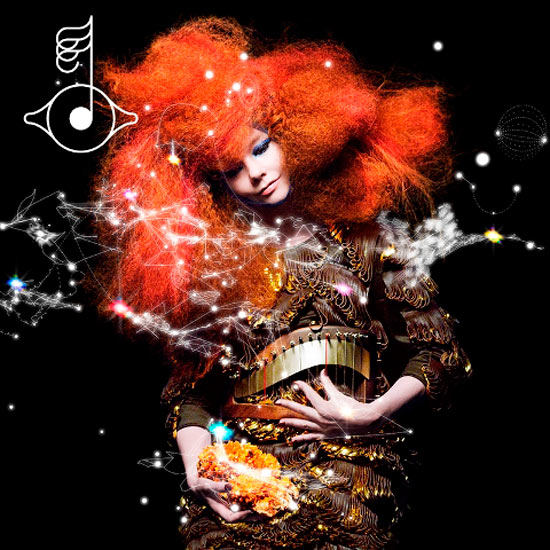
the vision of Bjork remains clear in weaving her own interpretation of the microcosms that guide the natural flow of our universe. This includes her own rejuvenation, heard clearly on opener Moon, a glorious offering that teems energetically with its ‘all birthed and happy’ mantra. Thunderbolt bridges the gap between her worlds, with its heavy orchestrated flow giving way to her vocals and video game-like synths. It’s a welcome concession from her that though we’re deep within her folds, Bjork must not lose us as she did on Volta. You hear it in the way Crystalline smoothly blends its burgeoning hip/hop beats with her soaring growls while Hollow’s theatrical groundswell tilts just at the right emotional level. The rest of the album breaks on either side of these two song concepts, some with better results while others maintain a restrained pace. All however slow their tempos as if to have her remain in an exquisite time warp of primeval sounds and rhythms.
5. Liam Finn FOMO:
second-generation musicians have it harder than anyone else to conjure up their own space but Liam Finn’s FOMO is exactly that; his own unique personal gravity. No sophomore jinx here as he careens through beautiful yet challenging pop-rock track (the silky Don’t Even Know Your Name puts almost the entire neo-soul pack to shame.) Indeed the mood swings from carefree to personal as the album progresses, even though he puts in Cold Feet to keep the pop going early on. The Struggle deliciously turns on its self in spooky earnest and he rounds it off with the best track right at the end, the awesome electro-rumbling that is Jump Your Bones.
6. PJ Harvey Let England Shake:
Let England Shake thankfully is a decisive step into something more historical while retaining her blues/rock past. Its focus is the psychological damage done to England during the Great War (WWI) over a blistering span of forty minutes. Indeed the bruising imagery of her vocal epiphanies makes for an immediate and startling impact. The wider impact though is the reconnection of her belief in music-making. It may have taken something as horrific as war to channel her energy upon but Let England Shake is a huge game-changing moment in her career. The album uniquely presents her observations with restrained judgment and bitterness. There is flesh jangling in dust and sweat here, tension and panic and soldiers being blasted to bits and fallen ‘like lumps of meat’ (The Words that Maketh Murder).
7. Jean Grae Cookies or Comas:
while we wait patiently for her much-anticipated Cake or Death LP, Jean has tied us over with this mixtape, which features some of her best music to date. Three years have passed her last batch of witticisms but Cookies or Comas toys with itself but dares you to try it as well. Blame Game however inculcates some stunning blues riffs while Assassins juxtaposes old school horns and sway to create an exhilarating mix. Not to mention the slinky, retro flow of I Rock On. And just to throw mud on the reductive school of thought that there’s no female identities present in hip/hop, she drops the manifesto that is Casebasket.
8. Black Milk & Danny Brown Black and Brown:
covering ten tracks in roughly twenty-two minutes, Black and Brown doesn’t give itself much time to establish itself. Luckily, Brown isn’t the type of rapper who needs warm up time; he literally spits out his ideas over whatever groove Black milk throws his way. It works mostly too—note the earthy blues being sported on LOL, the outstanding effort here. The two move in a dynamic shift from tenses to situations to moods with such exuberance that it’ll take you some to fully recover from it all. Yet another master effort from Brown who is having one of those career years in rap that we’ll probably never see again.
9. Panda Bear Tomboy:
after what seems an eternity, Animal Collective member, Noah Lennox finally released Tomboy and though we cooled towards it, the work is a stunning success. The chorale effect that elevated Person Pitch is here and it’s juxtaposed to electronic twinges (Afterburner). He runs into some difficulty mid-way but you’re left with great singles (Last Night at the Jetty, Slow Motion and the title track). The album, when it gets going, features great confidence and dedication. Lennox trusts his direction and it shows and the listener is rewarded many times over with experimental sounds that prove how brilliant and dynamic this gentleman is.
10. Atlas Sound Parallax:
the irrepressible Bradford Cox can do no wrong so even though Parallax pares down on his usual style, it’s still a winner. The album, dedicated to the late Trish Keenan, juxtaposes Cox’s self-imposed exile and depression last year before he emerged with new music. He’s been listening to early Radiohead obviously (note the ending ebb of Amplifiers) as well as experimenting with sonic value. Te Amo strikes an astonishing resonance to Thom Yorke-esque delivery over a baroque arrangement. Modern Aquatic Nightsongs hearkens back to Bowie’s Young American period, a feverish self-obsessed style that few geniuses ever manage to do decently. Cox may not have such a huge ego but he makes up with precision and self-assuredness.
1. Shabazz Palaces Black Up:
remember The Diggable Planets? Think when CVM just came on air and the track Rebirth of Slick was played like every second…now you’re getting the picture. One-third of that band, Ishmael Butler, has turned up on Sub Pop as that label’s first rap act. To say the critics have fallen in love with this album would be an understatement. What is equally frightening about Black Up is how much it resembles what we all expect Dre3000’s upcoming album to sound like. Yeah You indeed could be mistaking for something out of Outkast, with its pre-programmed drums and electronic bleeps. The ideas running through Black Up feel revolutionary and the swag on display means that, just like the Fugees fifteen years ago, everyone will be forced to pay attention.
2. Bon Iver Bon Iver:
three years after his debut, Vernon returns with more brass and trumpets and in the final analysis, there was no real competition in claiming top spot. Instead of being locked up in a hut though, Bon Iver is the sound of a man marching blissfully through the town, luring all with his resonance. The album may have titles of places that indicate the band has been but the real treat is the compositions searing with exploration. The opener Perth rumbles within its casing but even it pales to Minnesota, WI where he rumbles in falsetto. Recorded in Wisconsin, the album widens the trademark sound into a more structured wall-of-sound and that is a mark of progress. Any band would be pleased with these blissful results and yes, like every other critic, I’m batshit for Beth/Rest and the rest of this masterpiece which isn’t as awesome as his debut but yet, at the same time, is.
3. Sheep, Dog & Wolf Ablutophobia:
with the new Bon Iver record out now to rave reviews, it’s hard to imagine that the folk-pop genre he helped to reinvent has thrown up a direct rival so soon. That, however, is just the state of things with the arrival of ex-Bandicoot drummer Daniel McBride and his stunning solo debut Ablutophobia. It compromises the masterful title track and four more gems that delve deep into the wall of sound technique and irresistible jazzy textures. There is the undeniable influence of Beirut too but astonishingly even Animal Collective gets channeled on the brilliant Holy Liars. Oh and I’ve saved the best surprise for last; McBride is only seventeen and don’t worry if you’ve never heard of him…a debut LP drops in 2012. The year’s best new and rarest find.
4. Bjork Biophilia:
the vision of Bjork remains clear in weaving her own interpretation of the microcosms that guide the natural flow of our universe. This includes her own rejuvenation, heard clearly on opener Moon, a glorious offering that teems energetically with its ‘all birthed and happy’ mantra. Thunderbolt bridges the gap between her worlds, with its heavy orchestrated flow giving way to her vocals and video game-like synths. It’s a welcome concession from her that though we’re deep within her folds, Bjork must not lose us as she did on Volta. You hear it in the way Crystalline smoothly blends its burgeoning hip/hop beats with her soaring growls while Hollow’s theatrical groundswell tilts just at the right emotional level. The rest of the album breaks on either side of these two song concepts, some with better results while others maintain a restrained pace. All however slow their tempos as if to have her remain in an exquisite time warp of primeval sounds and rhythms.
5. Liam Finn FOMO:
second-generation musicians have it harder than anyone else to conjure up their own space but Liam Finn’s FOMO is exactly that; his own unique personal gravity. No sophomore jinx here as he careens through beautiful yet challenging pop-rock track (the silky Don’t Even Know Your Name puts almost the entire neo-soul pack to shame.) Indeed the mood swings from carefree to personal as the album progresses, even though he puts in Cold Feet to keep the pop going early on. The Struggle deliciously turns on its self in spooky earnest and he rounds it off with the best track right at the end, the awesome electro-rumbling that is Jump Your Bones.
6. PJ Harvey Let England Shake:
Let England Shake thankfully is a decisive step into something more historical while retaining her blues/rock past. Its focus is the psychological damage done to England during the Great War (WWI) over a blistering span of forty minutes. Indeed the bruising imagery of her vocal epiphanies makes for an immediate and startling impact. The wider impact though is the reconnection of her belief in music-making. It may have taken something as horrific as war to channel her energy upon but Let England Shake is a huge game-changing moment in her career. The album uniquely presents her observations with restrained judgment and bitterness. There is flesh jangling in dust and sweat here, tension and panic and soldiers being blasted to bits and fallen ‘like lumps of meat’ (The Words that Maketh Murder).
7. Jean Grae Cookies or Comas:
while we wait patiently for her much-anticipated Cake or Death LP, Jean has tied us over with this mixtape, which features some of her best music to date. Three years have passed her last batch of witticisms but Cookies or Comas toys with itself but dares you to try it as well. Blame Game however inculcates some stunning blues riffs while Assassins juxtaposes old school horns and sway to create an exhilarating mix. Not to mention the slinky, retro flow of I Rock On. And just to throw mud on the reductive school of thought that there’s no female identities present in hip/hop, she drops the manifesto that is Casebasket.
8. Black Milk & Danny Brown Black and Brown:
covering ten tracks in roughly twenty-two minutes, Black and Brown doesn’t give itself much time to establish itself. Luckily, Brown isn’t the type of rapper who needs warm up time; he literally spits out his ideas over whatever groove Black milk throws his way. It works mostly too—note the earthy blues being sported on LOL, the outstanding effort here. The two move in a dynamic shift from tenses to situations to moods with such exuberance that it’ll take you some to fully recover from it all. Yet another master effort from Brown who is having one of those career years in rap that we’ll probably never see again.
9. Panda Bear Tomboy:
after what seems an eternity, Animal Collective member, Noah Lennox finally released Tomboy and though we cooled towards it, the work is a stunning success. The chorale effect that elevated Person Pitch is here and it’s juxtaposed to electronic twinges (Afterburner). He runs into some difficulty mid-way but you’re left with great singles (Last Night at the Jetty, Slow Motion and the title track). The album, when it gets going, features great confidence and dedication. Lennox trusts his direction and it shows and the listener is rewarded many times over with experimental sounds that prove how brilliant and dynamic this gentleman is.
10. Atlas Sound Parallax:
the irrepressible Bradford Cox can do no wrong so even though Parallax pares down on his usual style, it’s still a winner. The album, dedicated to the late Trish Keenan, juxtaposes Cox’s self-imposed exile and depression last year before he emerged with new music. He’s been listening to early Radiohead obviously (note the ending ebb of Amplifiers) as well as experimenting with sonic value. Te Amo strikes an astonishing resonance to Thom Yorke-esque delivery over a baroque arrangement. Modern Aquatic Nightsongs hearkens back to Bowie’s Young American period, a feverish self-obsessed style that few geniuses ever manage to do decently. Cox may not have such a huge ego but he makes up with precision and self-assuredness.
Sunday, January 15, 2012
2011: The Top 100 Best Songs: #1--20
After a slight delay, here are the best songs of the last year...
1. Vanessa (Grimes):
AVI proved last year that when she sports dance riffs she can move mid-sections without really trying. Vanessa takes this a step further by juxtaposing pop and techno into her mesmerizing wall of sound technique.
2. The Words that Maketh Murder (PJ Harvey):
the political undertone that she’s been at pains to eschew throughout her career finally catches up to her lips when she utters the line, ‘what if I take my problems to the United Nations?’ It’s a snarky piece of viciousness and one uncharacteristic of Harvey to let fall on record but it reinforces a point of entry into any war: countries only get involved when shamed or forced to do so.
3. Friedrichshain (Chelsea Wolfe):
a haunting call out for help, Friedrichshain is Wolfe’s best song of her career so far. Friedrich epitomises the Pied Piper and Wolfe the curious children being taken away from the known and being swallowed up by the unknown.
4. Monopoly (Danny Brown):
misogynistic but so damned irresistible, Brown is rightfully leader of the new wolf-pack of rappers just out for a high then waxing lyrical about shit. The key difference though---as a line like, ‘the hybrid smoking on papaya/ that gave you niggas bronchitis/ what you write is like vagina/ what I write is Wall of China/ nigga that’s great…’, is alarmingly clear.
5. A Treatease Dedicated to The Avian from North East Nubis… (Shabazz Palaces):
a stoned rap battle to the death but one that shows so much sincerity and brilliance.
6. Last Night at the Jetty (Panda Bear):
we’ve all lauded his Beach Boys fascination with sound but here at last he emerges out of such inclinations to carve out a fantastic, new sound all for himself.
7. Body Work/Fuck My Brains Out (The Dream):
even if you’ve never been a fan before of Terius Nash, this stunning, identity-robbing twin idea of D’angelo and Prince getting squashed together into a sort of porno jam, is astonishing. Besides, who among us hadn’t wanted that to happen? If the former decently puts the case of his horniness then the latter track is the slutty after-effect…the one that gets him laid.
8. Casebasket (Jean Grae):
Jean returns with her smartest effort to date and it’s as if the female MC scene hasn’t been struggling since Missy Elliott went AWOL.
9. Beth/Rest (Bon Iver):
the year’s most controversial song has equal detractors and admirers but let’s rest the faux-cool argument and deal with the product. Vernon dives head-on into a 80’s saxophone warp that felt like it needed Kenny G yet somehow manages a stunning result without his usual falsetto. I call that genius.
10. Crystal Ball (Grimes):
the year’s best talent in a workout that simply blows the competition away. The beats slam hard, colliding blissfully with her puerile vocals (‘faster/ faster/ the lights will flow…’) and yet is remarkably soulful at the same time like a little slice of pop perfection.
11. Backpackers (Childish Gambino):
the most stunning middle-finger to come out of hip-hop since Eminem ten years ago, Glover dropped the term ‘backpackers’ in a smart swipe at critics.
12. Jump Your Bones (Liam Finn):
a sad overlay of messy, entangled feelings. Finn runs ragged with the electronic equivalent of white heat laying itself bare to be devoured by black rage.
13. Pinned (When Saints Go Machine):
a stunning lo-fi twee masterpiece that manages to rock in the club and in the headphones. Though the meaning of Pinned doesn’t seem to go beyond poor Johnny dying, at least he goes off into the big sky with some ska-flavoured music.
14. Baby Missiles (The War on Drugs): a sombre recollection of love, lead singer Adam Granduciel’s voice starts out very Arcade Fire-ish under some hazy beats and lyrics about oblique stuff.
15. Bizness (Tune-Yards):
the freak-folk juggernaut we all knew she was capable of producing when Garbus appeared two years ago. Here she suffuses some brilliant pop and horns into her zany melodies and you realise that the only thing she’s a victim to is a fine track and deserved recognition.
16. Fall Creek Boy’s Choir (James Blake & Bon Iver):
an unlikely pairing but one that created a ton of excitement. It didn’t fail the hype test either: Vernon gets all sad while Blake creates boy choir heaven fodder.
17. Huzzah!(remix)(Mr. Muthafuckin’eXquire feat. Danny Brown, Despot, Das Racist & El-P):
a cross between crunk-nodding, Method Man-worshipping and the irrepressible Danny Brown stealing the show with another high octane guest rap.
18. Ok (Beastie Boys):
the boys soldier on with this often-times brilliant jam and it’s like they’re just starting out again..a few white boys with two turn-tables and a microphone.
19. Ablutophobia (Sheep, Dog & Wolf):
crashing horns and the best Justin Vernon cabin music outside of that band…I kid you not. This from a minor and an ex member of a punk band.
20. Happiness (Things I Never Told You):
with an entire song dedicated to praising the happiness found between legs, it’s no surprise to find out that the East London duo started out by sound-tracking gay porn. Now, they focus on their own relentless sounds and thank God their own bedroom bullying is brilliant and full of retro energy.
1. Vanessa (Grimes):
AVI proved last year that when she sports dance riffs she can move mid-sections without really trying. Vanessa takes this a step further by juxtaposing pop and techno into her mesmerizing wall of sound technique.
2. The Words that Maketh Murder (PJ Harvey):
the political undertone that she’s been at pains to eschew throughout her career finally catches up to her lips when she utters the line, ‘what if I take my problems to the United Nations?’ It’s a snarky piece of viciousness and one uncharacteristic of Harvey to let fall on record but it reinforces a point of entry into any war: countries only get involved when shamed or forced to do so.
3. Friedrichshain (Chelsea Wolfe):
a haunting call out for help, Friedrichshain is Wolfe’s best song of her career so far. Friedrich epitomises the Pied Piper and Wolfe the curious children being taken away from the known and being swallowed up by the unknown.
4. Monopoly (Danny Brown):
misogynistic but so damned irresistible, Brown is rightfully leader of the new wolf-pack of rappers just out for a high then waxing lyrical about shit. The key difference though---as a line like, ‘the hybrid smoking on papaya/ that gave you niggas bronchitis/ what you write is like vagina/ what I write is Wall of China/ nigga that’s great…’, is alarmingly clear.
5. A Treatease Dedicated to The Avian from North East Nubis… (Shabazz Palaces):
a stoned rap battle to the death but one that shows so much sincerity and brilliance.
6. Last Night at the Jetty (Panda Bear):
we’ve all lauded his Beach Boys fascination with sound but here at last he emerges out of such inclinations to carve out a fantastic, new sound all for himself.
7. Body Work/Fuck My Brains Out (The Dream):
even if you’ve never been a fan before of Terius Nash, this stunning, identity-robbing twin idea of D’angelo and Prince getting squashed together into a sort of porno jam, is astonishing. Besides, who among us hadn’t wanted that to happen? If the former decently puts the case of his horniness then the latter track is the slutty after-effect…the one that gets him laid.
8. Casebasket (Jean Grae):
Jean returns with her smartest effort to date and it’s as if the female MC scene hasn’t been struggling since Missy Elliott went AWOL.
9. Beth/Rest (Bon Iver):
the year’s most controversial song has equal detractors and admirers but let’s rest the faux-cool argument and deal with the product. Vernon dives head-on into a 80’s saxophone warp that felt like it needed Kenny G yet somehow manages a stunning result without his usual falsetto. I call that genius.
10. Crystal Ball (Grimes):
the year’s best talent in a workout that simply blows the competition away. The beats slam hard, colliding blissfully with her puerile vocals (‘faster/ faster/ the lights will flow…’) and yet is remarkably soulful at the same time like a little slice of pop perfection.
11. Backpackers (Childish Gambino):
the most stunning middle-finger to come out of hip-hop since Eminem ten years ago, Glover dropped the term ‘backpackers’ in a smart swipe at critics.
12. Jump Your Bones (Liam Finn):
a sad overlay of messy, entangled feelings. Finn runs ragged with the electronic equivalent of white heat laying itself bare to be devoured by black rage.
13. Pinned (When Saints Go Machine):
a stunning lo-fi twee masterpiece that manages to rock in the club and in the headphones. Though the meaning of Pinned doesn’t seem to go beyond poor Johnny dying, at least he goes off into the big sky with some ska-flavoured music.
14. Baby Missiles (The War on Drugs): a sombre recollection of love, lead singer Adam Granduciel’s voice starts out very Arcade Fire-ish under some hazy beats and lyrics about oblique stuff.
15. Bizness (Tune-Yards):
the freak-folk juggernaut we all knew she was capable of producing when Garbus appeared two years ago. Here she suffuses some brilliant pop and horns into her zany melodies and you realise that the only thing she’s a victim to is a fine track and deserved recognition.
16. Fall Creek Boy’s Choir (James Blake & Bon Iver):
an unlikely pairing but one that created a ton of excitement. It didn’t fail the hype test either: Vernon gets all sad while Blake creates boy choir heaven fodder.
17. Huzzah!(remix)(Mr. Muthafuckin’eXquire feat. Danny Brown, Despot, Das Racist & El-P):
a cross between crunk-nodding, Method Man-worshipping and the irrepressible Danny Brown stealing the show with another high octane guest rap.
18. Ok (Beastie Boys):
the boys soldier on with this often-times brilliant jam and it’s like they’re just starting out again..a few white boys with two turn-tables and a microphone.
19. Ablutophobia (Sheep, Dog & Wolf):
crashing horns and the best Justin Vernon cabin music outside of that band…I kid you not. This from a minor and an ex member of a punk band.
20. Happiness (Things I Never Told You):
with an entire song dedicated to praising the happiness found between legs, it’s no surprise to find out that the East London duo started out by sound-tracking gay porn. Now, they focus on their own relentless sounds and thank God their own bedroom bullying is brilliant and full of retro energy.
Sunday, December 25, 2011
2011: The Top 30 Best Albums: Part II
the second part...
11. Chelsea Wolfe Apokalypsis:
though she looks positively possessed on the album cover, one quick spin of Apokalypsis and you’re the one hypnotized by her haunting refrains and sumptuous music. Resembling a younger PJ Harvey isn’t the only interesting Wolfe has going for her; her delicate vocals register different octaves and stylistic tricks with ease. Movie Screen simmers without boiling over but elsewhere the temper reaches sublime proportions like on the brilliant Friedrichshain as well as the thunderous riffs that propel Demons. Her flair for theatrics is evident but it’s not easy trying to wring art out of the punk-doom Wolfe ascribes to without being compared to those—like Harvey—before her. Apokalypsis to its credit does manage to carve out an original and refreshing space.
12. Grimes/D’Eon Darkbloom:
Darkbloom is a fitting title because the brilliance of the album releases itself slowly with repeated listens and opens up its delights within your headphones. It is also a bonafide album of the year contender and keeps both artists firmly entrenched in that ‘next big thing’ category that is increasingly centering on, of all places, Montreal, Canada. Grimes isn’t fearful of letting her grooves do all the talking or trying too hard to engineer a hit. Her focus on reverb and synths is heavy but when one considers that she’s been around for only a year, a track like Crystal Ball is even more stunning for that fact. The beats slam hard, colliding blissfully with her puerile vocals (‘faster/ faster/ the lights will flow…’). Urban Twilight returns to her minimalism but this time the twisted vocals and nefarious beat run in a spell that works. Fresh from a critically-acclaimed debut last year (Palinopsia) d’Eon announces himself with the mobile phone buzz fest instrumental Telepathy. The remaining tracks are all uniquely brilliant dance-pop songs, the type of songs that Toro Y Moi tried but failed to pull off with his sophomore earlier this year.
13. James Blake James Blake:
the best genre albums are those that don’t even sound like what they represent. The dubstep artist James Blake has been making quite a name for himself and now here, at last, is his astonishing debut. Surely critics will have the best new artist award already with his name on it and who can blame them: Unluck is a marvelous and soulful amalgamation of diverse sounds entwined and masterfully set in motion. Give Me My Month puts Antony Hegarty to shame with a stunning falsetto set to piano. It’s more soulful and sincere than anything on contemporary R&B radio in ages. The diversity on display by this 22 year old Brit is the real treat; I Mind sounds as if it’s being stir-fried from outer space while Wilhelm’s Scream is the best soul any man has done since D’angelo.
14. The Weeknd House of Balloons:
though there’d nothing new about doing a mix-tape, Abel Tesfaye has smartly mixed original compositions with thunderous, slinky R&B beats. The production though is far from cheesy. Tracks like Coming Down manage to find the right line between sex appeal and sexual imagery. It’s a new disposition we’ve seen heavily this year, perhaps a nod to the path unearthed years before by R. Kelly but, thankfully, The Weeknd manages to swill some well-needed D’angelo into the mix and that adds a stunning new coat to the formula he presents us with. It’s a new playing field for young crooners and while they like the imagery of the past, they’re also heavily rooted into the present too.
15. Alela Diane & Wild Devine Alela Diane & Wild Devine:
coming off Sharon van Ettan’s brilliant solo work last year, Alela Diane picks up the slack with a truly soulful offering. This is a clever mix of blue-grass tinged soul and poetry. Her sound is like a boom and resonates long after these lovely songs end. The energy consistent challenges the confines of folk too yet it intimates such weariness that it breaks your heart—the ending grace of Rising Greatness, the jazzy coos of Heartless Highway all attest to this. She is keenly aware of pace as well and there is a natural progression from her earlier studio albums that is as heartening as it is remarkable.
16. Iron & Wine Kiss Each Other Clean:
Sam Beam is a critic’s darling for that glorious, tremulous voice alone…he was the Bon Iver of the indie scene before Justin Vernon showed up. Here, though he’s unveiled a stunning type of diversity I hadn’t expected from him. Your Fake Name is Good Enough for Me powers on jazzy textures of all things. Even the ballads are steeped in a stunning religious fervor that can be tricky. These nods to technique are meticulous but also show his growth being strong and not just merely as a token. Nor is he merely just turning out the same template like Fleet Foxes…not a swipe at them but they could take a listen to this record and learn a thing or two
17. Tom Waits Bad As Me:
Bob Dylan may be the most revered artist in music but Waits surely is his equally admired brother. Waits remains uncompromising with brutal songs spewed out like a master drunk (Satisfied), full of penitence (Back in The Crowd) or just, gulp, sobered up (Last Leaf). At sixty-one and with seventeen albums behind him, there isn’t much we haven’t gleaned from Waits but the sheer energy that he continues to extol puts his much younger admirers to shame…still.
18. Raphael Saadiq Stone Rollin’:
no stranger to critical praise, Saadiq will no doubt heap on more with one of the best R&B album of the year. The slick opener aside, he hits dizzying stride immediately after with Go to Hell. At his best, he can conjure up Al Green-like testimonials that utterly burn. At other times he seems to be digging into Terence Trent D’aby pop/rock terrain, with mixed results. It’s an ambitious attempt but one rooted within his capabilities. That is at times exciting, predictable but also versatile. It means that we hear actual instruments been featured in songs, something most soul brothers tend to forget.
19. Willie Evans Jr. Introducin’:
bookended by fantastic skits, Introducin’ is Evan’s re-entry into Southern hip/hop. Here, by himself and not with his Asamov clan, Evans hits the ground running with the title track. The album posits an interesting concept: a little boy (Willie) journals his experiences as he tries to learn music while always appreciative of it. The beats and instruments are sharp and quirky. Take 2 slurs it vocals yet the beats add great freshness. His use of samples works seamlessly too as witnessed on Cyber Sheik while Mega flows nicely. And there’s no throw-away to misogyny or sex and drugs either, just Evans Jr. spinning his inexhaustible talent and drive.
20. Fleet Foxes Helplessness Blues:
the follow-up to the hugely successful debut of the Seattle band rumbles loudly and assuredly. We’re now familiar with the folk-blues blend but the band’s ambition becomes clear by the time Bedouin Dress begins. The hooks on Helplessness Blues are deeper, more nuanced even if they sacrifice a little emotion. Lead singer, Robin Pecknold is shouldering more responsibility here and his range is at time downright beautiful (‘Sim Sala Bim’) and affirming (‘Battery Kinzie’, the standout track). If the lyrics get a little shuffled then get lost within the production which has no equal—save one—this year.
11. Chelsea Wolfe Apokalypsis:
though she looks positively possessed on the album cover, one quick spin of Apokalypsis and you’re the one hypnotized by her haunting refrains and sumptuous music. Resembling a younger PJ Harvey isn’t the only interesting Wolfe has going for her; her delicate vocals register different octaves and stylistic tricks with ease. Movie Screen simmers without boiling over but elsewhere the temper reaches sublime proportions like on the brilliant Friedrichshain as well as the thunderous riffs that propel Demons. Her flair for theatrics is evident but it’s not easy trying to wring art out of the punk-doom Wolfe ascribes to without being compared to those—like Harvey—before her. Apokalypsis to its credit does manage to carve out an original and refreshing space.
12. Grimes/D’Eon Darkbloom:
Darkbloom is a fitting title because the brilliance of the album releases itself slowly with repeated listens and opens up its delights within your headphones. It is also a bonafide album of the year contender and keeps both artists firmly entrenched in that ‘next big thing’ category that is increasingly centering on, of all places, Montreal, Canada. Grimes isn’t fearful of letting her grooves do all the talking or trying too hard to engineer a hit. Her focus on reverb and synths is heavy but when one considers that she’s been around for only a year, a track like Crystal Ball is even more stunning for that fact. The beats slam hard, colliding blissfully with her puerile vocals (‘faster/ faster/ the lights will flow…’). Urban Twilight returns to her minimalism but this time the twisted vocals and nefarious beat run in a spell that works. Fresh from a critically-acclaimed debut last year (Palinopsia) d’Eon announces himself with the mobile phone buzz fest instrumental Telepathy. The remaining tracks are all uniquely brilliant dance-pop songs, the type of songs that Toro Y Moi tried but failed to pull off with his sophomore earlier this year.
13. James Blake James Blake:
the best genre albums are those that don’t even sound like what they represent. The dubstep artist James Blake has been making quite a name for himself and now here, at last, is his astonishing debut. Surely critics will have the best new artist award already with his name on it and who can blame them: Unluck is a marvelous and soulful amalgamation of diverse sounds entwined and masterfully set in motion. Give Me My Month puts Antony Hegarty to shame with a stunning falsetto set to piano. It’s more soulful and sincere than anything on contemporary R&B radio in ages. The diversity on display by this 22 year old Brit is the real treat; I Mind sounds as if it’s being stir-fried from outer space while Wilhelm’s Scream is the best soul any man has done since D’angelo.
14. The Weeknd House of Balloons:
though there’d nothing new about doing a mix-tape, Abel Tesfaye has smartly mixed original compositions with thunderous, slinky R&B beats. The production though is far from cheesy. Tracks like Coming Down manage to find the right line between sex appeal and sexual imagery. It’s a new disposition we’ve seen heavily this year, perhaps a nod to the path unearthed years before by R. Kelly but, thankfully, The Weeknd manages to swill some well-needed D’angelo into the mix and that adds a stunning new coat to the formula he presents us with. It’s a new playing field for young crooners and while they like the imagery of the past, they’re also heavily rooted into the present too.
15. Alela Diane & Wild Devine Alela Diane & Wild Devine:
coming off Sharon van Ettan’s brilliant solo work last year, Alela Diane picks up the slack with a truly soulful offering. This is a clever mix of blue-grass tinged soul and poetry. Her sound is like a boom and resonates long after these lovely songs end. The energy consistent challenges the confines of folk too yet it intimates such weariness that it breaks your heart—the ending grace of Rising Greatness, the jazzy coos of Heartless Highway all attest to this. She is keenly aware of pace as well and there is a natural progression from her earlier studio albums that is as heartening as it is remarkable.
16. Iron & Wine Kiss Each Other Clean:
Sam Beam is a critic’s darling for that glorious, tremulous voice alone…he was the Bon Iver of the indie scene before Justin Vernon showed up. Here, though he’s unveiled a stunning type of diversity I hadn’t expected from him. Your Fake Name is Good Enough for Me powers on jazzy textures of all things. Even the ballads are steeped in a stunning religious fervor that can be tricky. These nods to technique are meticulous but also show his growth being strong and not just merely as a token. Nor is he merely just turning out the same template like Fleet Foxes…not a swipe at them but they could take a listen to this record and learn a thing or two
17. Tom Waits Bad As Me:
Bob Dylan may be the most revered artist in music but Waits surely is his equally admired brother. Waits remains uncompromising with brutal songs spewed out like a master drunk (Satisfied), full of penitence (Back in The Crowd) or just, gulp, sobered up (Last Leaf). At sixty-one and with seventeen albums behind him, there isn’t much we haven’t gleaned from Waits but the sheer energy that he continues to extol puts his much younger admirers to shame…still.
18. Raphael Saadiq Stone Rollin’:
no stranger to critical praise, Saadiq will no doubt heap on more with one of the best R&B album of the year. The slick opener aside, he hits dizzying stride immediately after with Go to Hell. At his best, he can conjure up Al Green-like testimonials that utterly burn. At other times he seems to be digging into Terence Trent D’aby pop/rock terrain, with mixed results. It’s an ambitious attempt but one rooted within his capabilities. That is at times exciting, predictable but also versatile. It means that we hear actual instruments been featured in songs, something most soul brothers tend to forget.
19. Willie Evans Jr. Introducin’:
bookended by fantastic skits, Introducin’ is Evan’s re-entry into Southern hip/hop. Here, by himself and not with his Asamov clan, Evans hits the ground running with the title track. The album posits an interesting concept: a little boy (Willie) journals his experiences as he tries to learn music while always appreciative of it. The beats and instruments are sharp and quirky. Take 2 slurs it vocals yet the beats add great freshness. His use of samples works seamlessly too as witnessed on Cyber Sheik while Mega flows nicely. And there’s no throw-away to misogyny or sex and drugs either, just Evans Jr. spinning his inexhaustible talent and drive.
20. Fleet Foxes Helplessness Blues:
the follow-up to the hugely successful debut of the Seattle band rumbles loudly and assuredly. We’re now familiar with the folk-blues blend but the band’s ambition becomes clear by the time Bedouin Dress begins. The hooks on Helplessness Blues are deeper, more nuanced even if they sacrifice a little emotion. Lead singer, Robin Pecknold is shouldering more responsibility here and his range is at time downright beautiful (‘Sim Sala Bim’) and affirming (‘Battery Kinzie’, the standout track). If the lyrics get a little shuffled then get lost within the production which has no equal—save one—this year.
Subscribe to:
Posts (Atom)