Friday, December 5, 2014

2014 BEST NEW ARTISTS:


Not much happened this year for new artists musically but we still got some sure shots for a bright future. Here are the brightest:


THE YEAR'S BEST NEW ARTIST IS:


Kate Tempest: the established young poet did the unexpected: tried her hand at a Brit hip/hop album and it worked. Maybe it’s her writing oeuvre (winning the 2013 Ted Hughes award) but Everybody Down was a tale of life grimly put utterly relevant.


Best of the rest (in no particular order)…


Gem Jones: Prince Revivalist? Sure sounds like it!


FKA Twigs: its taken me a while to warm to her but finally, I’m convinced.


Mr. Little Jeans: one of the formidable Norwegian pop babes, Monica Birkenes’ grooves are heavenly and highly contagious.


White Lung: though they’ve been known in native Canada since 2010, it’s this year that the rest of us really have gotten to know the band’s giddy punk rock—and yes it does remind one of Hole.


Alvvays: the Toronto-based band has been winning over fans and critics alike with their heart-drenched pop ballads.


Temples: when Noel Gallaher goes stumping hard for you, you know something special is there and these Brits deliver the goods on their debut.


Cherry Glazerr: the L.A. garage bang has the stiff upper lip diva attitude in spades.


Perfect Pussy: propelled by a massive lead single, this band catches all deserved breaks.


Champs: these two brothers (Michae and David) record chorus-heavy songs and hopefully they’ll be around a long time.


Vince Staples: dude’s only 21 but got a smooth rap game.


Jungle: the British band presents an interesting 70s-based take on soul and superfly chic.


Sylvan Esso: great pop juxtaposition from two defectors of separate bands.


Viet Cong: two members of the band Women defected and, presto, this Canadian outfit now totally rocks.

Thursday, December 4, 2014

Top 15 Worst Films of 2014:


As always the disclaimer: this list is regulated by one rule only—it’s all films that I actually watched. Last year’s selections were worse and I feel, but for the really cheesy ones, this year was a general ‘improvement’. That said, certain names and franchises just continue to sink while others took themselves a little bit more serious (hello Transformers) and thus elevated themselves into average movie-going fare instead of being God-awful. What is extremely disheartening about most of the films featured this year is that they had material provided for them to deliver but in the end they bombed. Here are the films that made me cringe the most:


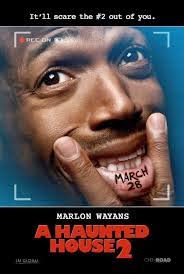
1.A Haunted House 2: the first installation was a dud and here is its weak follow-up. MY RATING: 0.5/10


2.Tusk: I don’t even know where to start with this disaster: Michael Park’s long, boring monologues, Justin Long’s hideous squeals or Johnny Depp’s ridiculous French accent This is just all-around dismal. MY RATING: 1/10


3.TMNT: the story would be decent enough but Bay had to gross us out with those awful CGI imagery. MY RATING: 3/10


4.Tammy: triple duty for Melissa McCarthy in this one; she starred, wrote and produced it and it’s no wonder why she’s so uncontrollably over the top in it. MY RATING: 3/10


5.Mischief Night: more dull than God-awful yet still nonsensical. MY RATING: 3/10


6.Before I Go Sleep: Nicole Kidman’s career continues to spiral downwards. In this latest flop, she’s a woman who forgets her memories every time she wakes up the next morning. Why wouldn’t she---her films are forgettable for quite a while now. MY RATING: 3.5/10


7.Left Behind: no one has had more films featured in this list over the years than Nicholas Cage and in that grand tradition, here he shows up as a pilot trying to discover what makes, all of a sudden, children disappear into thin air along with Christians. Oy… MY RATING: 3.5/10


8.Only Lovers Left Alive: nominated last year for the Palme D’or at Cannes and being directed by Jim Jarmusch, I had high hopes. Initially I felt the banter with Tilda Swinton and everyone she came in contact with would grow but as the film soldiers on, it becomes a tedious no-show and no one wants to admit apparently the obvious: its constant and irritating pretentiousness. MY RATING: 4/10


9.The Amazing Spiderman 2: Jamie Foxx covered in blue as a villain is the main offender but now Spiderman himself is becoming pretty corny too. MY RATING: 4/10


10.Annabelle: doing a prequel with literally no ties to what came before makes no sense and trying to copy better films in hope of connecting to something genuine is downright ridiculous. MY RATING: 4/10


11.Noah: too many washed up Oscar winners spoiling the broth and those CGI talking tree things—pretty sure they weren’t in the Bible, Mr. Aronofsky! MY RATING: 4/10


12.Winter’s Tale: this was Akinva Goldsman’s directorial debut and it showed: multiple plots cross wires so often that it’s hard to keep up. Mark Helprin’s novel is rough terrain as is and I’m still unsure about that white horse’s motives. MY RATING: 4/10


13.Maleficent: after being a bridesmaid on so many occasions, Angelina Jolie has surely wrapped up a Razzie for this preposterous film. MY RATING: 4/10


14.The Maze Runner: in this current Hunger Games world, similar films are being produced at break-neck speed. This film is based on James Dashner’s novel that is only five years old. Dylan O’Brien as the savior of an experiment is a stretch but everything else here is the real disaster. MY RATING: 4/10


15.Hercules: one of two Hercules films released this year (I haven’t seen the other) but here is The Rock (Dwayne Johnson) going through literally the many labours of his character. This all begs one question: how many times do we need to do this to get this story semi-decent? MY RATING: 4/10

Monday, December 1, 2014

Top 10 Most Overrated Albums of 2014:


It’s been a terribly boring year in music and when year-end time comes and critics mull over the slim pickings, they usually revert to “safe” choices. By “safe” of course I mean those names they’ve relied on in the past. So, given the context of not a lot happening in 2014, here are the ten ultra-hyped albums of a pretty forgettable year:


1.Aphex Twin Syro: Richard D. James’ first album in thirteen years has gotten an universal ‘good to be back’ pat on the back from critics but how many of them have really listened to it? It’s a seven year project in ambient and it sounds terribly dated and mere experiments penned to music. (METACRITIC 8.9/10)


2. Swans To Be Kind: just like the band’s previous album—it too featured highly on this list two years ago—this one features excessive empty space. This time though, Swans have learned repetitive lyrics and that makes To Be Kind beyond dull. (METACRITIC 8.9/10)


3. Beck Morning Phase: Beck hasn’t been his brilliant self well over a decade now but this sounded like a funeral procession. (METACRITIC 8.1/10)


4. The War On Drugs Lost In The Dream: being named on virtually every list being put out but this isn’t even better than their last LP, which was pretty good by the way. (METACRITIC 8.6/10)


5. Jack White Lazaretto: yet to find his feet as a solo artist like when he was leading a band. (METACRITIC 8/10)


6. Leonard Cohen Popular Problems: I guess it’s heresy not to consider everything he does at this stage as a masterpiece. (METACRITIC 8.6/10)


7. Ben Frost Aurora: still awaiting the lyrics for this sculptured noise album because as inventive as the intention is, at the end of the day, there isn’t much here those who reside above the underground can graft. (METACRITIC 8.4/10)


8. Freddie Gibbs & Madlib Pinata: decent stuff but both artists have done much better stuff so its puzzling why Rate Your Music has this at number 4 for the year. (METACRITIC 8.2/10)


9. Flying Lotus You’re Dead: good to finally hear vocals thrown in but that’s not enough to justify the critical buzz. (METACRITIC 8.8/10)


10. Sun Kil Moon Benji: while I appreciate the autobiographical lyrics, this would work better as a book of poetry…on record its just drab sheet music. (METACRITIC 8.5/10)

Thursday, August 14, 2014

Boyhood (2014)


Everyday Americans


Last year, Richard Linklater closed a personal arc of movie experimentalism with the triumphant Before Midnight. The Before trilogy spanned eighteen years, three films done at nine year intervals, tracking the evolving love between a couple in three different decades. Before Midnight was effectively our last peep into Jessie and Celine’s highly-charged relationship with each other and their own personal inner conflict.

And yet it left us wanting more, either to see the inevitable onset of old age or the awkward earliest years of their romance. Our interests were piqued about the many intimate processes that went into establishing the comfort level of their intricate discussions, the inane little behaviors that is unique to each relationship. Linklater had an ace up his sleeve all this time though and, in an obvious reply to this desire, started a project twelve years ago that finally is ready to stimulate our viewing experience. This stunning new film is Boyhood.

Virtually every review of the film so far has acclaimed the method of its making, heralding it as visionary and it is: Linklater shot it over a twelve year span (2002—2013), filming scenes a couple days out of each year allowing us to see the physical transformation of the actors involved in a real manner, not superficially. Critics have been quick to point out that other film-makers have used this method before, notably Michael Apted’s Up documentaries that have been following the same group of people since they were 7 years old. If this were all Boyhood offered then it would be a technical triumph, pretty much the way Gravity stunned with its cinematography last year but Linklater has written and produced the soundtrack to American youth with this film as well as directing a significant piece of story-telling.

The film follows the progression of Mason (Ellar Coltrane) from pre-teen to young adult but it’s not shot from his perspective only. This is Linklater’s distinct directorial style on show; taking in the entire scope of lives and just presenting them as is, not specifically from one viewpoint. Not that he eschews particular moments because when we see the first argument in the film, it is from Mason’s sadly curious eyes as he hides in a darkened corner, observing his mom (Patricia Arquette) lamenting how she moved from being someone’s daughter to someone’s mother in a short time. Linklater doesn’t express judgment through his lens, just painstaking observances, some more nuanced than others. Mason witnesses the changes within his parents and while we watch him watching them, we can sit and observe what registers high on his scale (his dad, who else but Ethan Hawke, forgetting that he promised to give him his car) and what is casually observed (his older sister potentially having sex). It’s this pure maleness of the film that makes it riveting because aside from the usual testosterone bits like ogling semi-naked women in magazines and lying about sexual activities, Boyhood is a rite of passage, an American inheritance reel that has never been attempted in such detail before by an American director. Other directors like Spielberg have centered on youthful fantasies and documenting special circumstances but here Linklater is on a yeoman journey and there’s no special tone being set---this is a long-haul essay into what shapes and turns a boy into a man.

Boyhood, like any great piece of American observational art, is trenchant in its simplicity. Like that immense scene in The Devil Wears Prada when Nigel schools Andie on the importance of Vogue, because she lives her life in such a space it created, such is this film finally creating a space for American cinema to express youthfulness without the trappings of highlights. There are no frills here, just an honest look at life in its ambivalence, similar to the way Bob Dylan deconstructed his own personal demons with the opening four songs on 1975’s Blood on the Tracks so that we can sing along in recognition as well even to this day. We’ve long waited for a new American perspective on something contemporary as youth and pop culture—which, in its own way, is so American—and finally an American director has delivered. The film references this fantastically with the music that plays over many scenes, none more genius that Vampire Weekend’s “One (Blake’s Got A New Face)” to indicate the excitement of Obama’s incoming presidency. As we head into the Oscar season, it wouldn’t be surprising if a better film comes out but I doubt we’ll see a more important American film this year. Boyhood will satisfy Linklater on many levels but it’ll satisfy you the viewer even more because through Mason’s journey, you can cross-reference so much with your own experiences. Scene after scene, from the children queuing up excitedly to watch Harry Potter dressed as little wizards to Olivia’s sudden bitterness towards empty-nest syndrome, Boyhood is the soundtrack to our lives, not just the highly-glamorous bits but the entire Tom Sawyer and Huckleberry Finn parts: scary, uncertain, isolated but resolute in its continuity.

RATING: 9/10

Sunday, June 1, 2014

X-Men: Days of Future Past (2014)


Special Relationship


The new X-Men film begins with a sneaky bit of evolutionary theory: mutants being defeated by more-advanced mutants. Technically, they’re called sentinels and they’re not here to joke around. As they ruthlessly crush the band of mutants amid some spectacular scenes, it all suddenly disappears.

What we’ve actually been witness to is something that’ll never happen…a tricky circumstance that is explained to Professor Xavier (Patrick Stewart) by Kitty Pryde (Ellen Page), a mutant who has the power to project a person’s consciousness back to the past and alter fate. Kitty’s power isn’t enough to stave off the dystopian present time that all the surviving mutants have found themselves in however, including Magneto (Ian McKellan).

“This might just work, Charles”, he utters after figuring out how to maximize Pryde’s talent but it takes Wolverine (Hugh Jackman) to volunteer himself for the back-to-the-past mission because of his indestructible powers (which apparently extend to his mind). These are the opening fifteen minutes of the film and they are the most trying moments because Bryan Singer’s vision asks you to suspend reality amid the knotty trail. He also borrows heavily from other outstanding sci-fi films like The Matrix and Terminator 2 just to get going.

Once Wolverine returns to the past though, Days Of Future Past takes off and Simon Kinberg’s screenplay takes shape. We revisit the 1960’s where it’s revealed that the sentinel program got started by Bolivar Trask (Peter Dinklage) who was killed by Mystique (Jennifer Lawrence). She was then captured for research purposes and it’s her mutant DNA that enables the sentinels to defeat mutants in the future. Wolverine must put a stop to it before things spiral out of control or before Magneto’s thirst for revenge against humankind kills them all. For, rest assured, Magneto goes for the jugular in Days Of Future Past in a manner that not even Xavier saw coming. Like the sentinels, he means business.

The main difference between Days Of Future Past and the excellent First Class though is the distribution of minor characterization. While both McAvoy and Fassbender are simply outstanding in their respective roles (Fassbender continues to defy all conventional logic of anyone being able to best McKellen for this villainous role), the other mutants are mere paperweights, scarcely explored for their own complicated lives. Indeed, at one point, when Storm (Halle Berry) re-emerged onscreen I had long forgotten that she was even in the film.

There’s some triumphant scenes along the way however with these characters: the segue with Quicksilver (Evan Peters) playing ping pong by himself and breaking Magneto out of the Pentagon is sheer genius, indeed worth going to see the film alone. When Trask’s mutant-gene tracker goes off the first time, identifying Mystique’s presence at a secret meeting, the awkward sound and chatter is stunningly appropriate. There is also a simple yet devastating scene when Magneto has made up his mind to fire a gun and Xavier pushes him aside. As Mystique flees through a window, we see Magneto fall back but flattens his hand and the gun goes off anyway.


Such detail can only come from a director deeply invested in his source material and Singer is in top form, exploring feelings of alienation and difference through the characters. There are jittery, hand-held shots of Mystique and Beast (Nicholas Hoult) on the streets of Paris, bare for the public to scrutinize them. Though the attempt to tie in the mutants to actual global events is iffy early on, once President Nixon’s (Mark Camacho) paranoia hits the screen, it becomes believable. The ending sequence is brilliantly paced, juxtaposing the changing tides of events as they occur.

While the film continues to reveal new layers of the special relationship between Professor Xavier and Magneto, it also clarifies the main vexing issue between them: Mystique. For the first time in her life she’s beginning to understand her own uniqueness and, ultimately, feminist independence from the two men she loves the most. It’s messy for her to choose between these two “dads”, mainly because combined they’re not a home and separated, both lack what the other one has to develop her into a fully-formed individual. It is this inherent flaw—and not their ideological differences—that makes it difficult when all three are in a defined space. The camera finds Mystique often looking from one to the other, heavy in indecision about whose theories suit her best.

It’s a state of flux that Days Of Future Past isn’t able to resolve totally even after it dawns on Mystique that Magneto is only out to kill her as the simplest way to alter the future and nothing else. It’s that perfunctory for him yet, like the raison d’être of the film, its succinctly to the point. With Magneto at least Mystique knows what lies ahead: Xavier on the other hand is like a kid who’s had his prized toy taken away from him. And every now and then he wants it back.

RATING: 8/10

Sunday, May 11, 2014


The Raid 2: Berandal (2014)

Hydras

In Greek mythology, the hydra was a vicious monster that grew double the amount of heads anyone chopped off it. Since then, the term has been mostly associated with global crime organizations like the mafia or any country’s warring groups for that matter.

The first Raid film shielded the viewer from this maxim, instead director Gareth Evans focused on how a police operation on a shady-looking apartment complex turned into the deadliest Asian bloodbath ever witnessed on camera. Everyone came under gunfire and most of them died terribly. The bad guy was killed by the corrupt cop who walked away with the good guy. It seemed too-good an ending for such a bloody film. If the first film dealt with one main bad guy then this installment—by virtue of its title, ‘Berandal’ means ‘thugs’—intends to spread the evilness around.

And, indeed it has. The Raid 2: Berandal starts almost immediately after our hero Rama (Iko Uwais) waves goodbye to his brother, Andi (Donny Alamsyah) and heads out of the compound. Unbeknown to all of them, other criminal factions have been watching the showdown and now that the local boss has died, they’re moving in to take over. Andi is dragged unto an open field by the ruthless Bejo (Alex Abbad) and killed after failing to follow through with a choice that was more a directive. In these opening minutes, through the snarky Bejo, we learn much more than the first installation of this franchise let on and we come to realize not only what is to come but why it will come to pass.

Bejo is a rising star in mercenary circles and at his employ are skilled assassins. His biggest weapon though is one of infiltration—playing on the fears of the younger generation that they’ll never rise up and succeed their old, more powerful bosses. We realize that Andi is killed because he is of no more use to anyone alive and because, in Bejo’s eyes, he isn’t ruthlessly ambitious enough.

On the other end of the power spectrum, the corrupt senior cop from Raid: Redemption, Wahyu (Pierre Gruno) is killed by a fellow senior cop because of his ruthless manipulation on both sides. Rama finds himself in de-ja vu as he is asked to go on another secret mission, to bring down another gang network. The senior cop, Bunawar (Cok Simbara), moves quickly to ensure Rama is embedded in prison—and virtually hidden by prying eyes and ears that may have ulterior motives. “There’s no such thing as a clean war”, he warns Rama, who is reluctant at first to take on the task but after learning of Andi’s death, he finally gets on board.
Once incarcerated, Rama makes sure to catch Uco’s eye (Arifin Putra) and it is at this point The Raid 2 takes off with a series of spectacular pencak silat (Indonesian fighting style) sequences. First, we’re treated to a muddy prison yard where guards allow prisoners to beat up on each other before intervening. Next, Bejo moves in on Uco and offers him a deal that he knows he won’t refuse.

It’s this deal that breaks the ten year truce between the two rival Jakarta clans, both realizing too late the destruction that Bejo is willing to unleash just for ultimate power. Unlike the first Raid film, here we are witness to frighteningly diverse set of mercenaries: Hammer Girl and Baseball Bat Man, two terrifying siblings who wield weapons as if they were paperweight. Along with the Assassin, they start an attack that leads the two rival clans to launch counter-attacks that even has the corruptible part of the police force joining until all hell literally breaks loose. They all turn on each other in a brilliant, bloody finale that Evans expertly guides so that the viewer doesn’t miss any single thrill.

Like No Country For Old Men before it, The Raid 2: Berandal is a stunning expose on the different generational takes on violence. One level gives way to another and all the messy shocks and upheavals that change brings. While the older gang leaders can sit quietly around each other and dream of “peace”, this notion of calm is scoffed at by their younger counterparts. It’s the totality of control that they want and they want it now—no matter who gets killed or maimed in the process. That the elders fail to recognize the same viciousness in their younger charges that heralded their own rise is their own tragedy. It’s cycle often repeated, whether a hero comes along to intervene or not. Rama wins this round with sheer determination but somewhere out there under the Jakarta sky lies yet another Bejo, carefully planning…carefully beheading several hydra heads to rebuild two-fold and come back to claim the underworld again.

RATING: 8.5/10

Sunday, February 16, 2014

POP CULTURE WATCH: STING'S NEW NO-TOLERANCE...


"If Sting dies, dancehall dies." (Isaiah Laing)


While Jamaican remain largely unconcerned with the progress of pro-gay tolerance, we must not believe that such a stance is the norm globally. In most first world countries, the positive self-affirmation of the gay individual is very much a huge human-rights issue…and music has not been spared. In 2010, Germany, Europe’s largest economy, through changed laws blacklisted several dancehall albums due to their homophobic and violent content. That’s well-needed money being boxed out of record labels and music promoters hands, not to mention the artists themselves.


Said Ellen Köhlings, editor of German reggae magazine Riddim to the Sunday Observer four years ago, “ dancehall is ironically filliping the gay lobby's agenda. "These lyrics violate German laws which gives the lobbyists legal grounds to successfully censor music and gain media exposure," Interestingly, she added that artistes could compromise by maintaining their anti-gay stance but avoid the use of violence. This seems to have fallen on deaf ears, which leads one to really assess whether local artists see it as an insult to themselves or what they perceive as a God-given right to ensure violent lyrics are used.


Sting is now in its 30th year and its CEO, Isaiah Laing has been warning for a few years now that it’s getting harder and harder to draw sponsors for the one night event. According to Laing, sponsorship covers approximately one-fifth of Sting's expenses. He said since its inception in 1984, he and his partners have negotiated with loan agencies, including banks, for support.

"There are times when it gets so bad that we have to sell personal properties in order to repay the loans, so Sting is not always a profitable business as some may believe. We had a good relationship with a particular bank for years but in 2010 when there was a no-show of Vybz Kartel we lost a lot, hence shattering our relationship with the institution," he said.

Mr. Laing says he has sacrificed a lot to keep Sting alive and his expansion into a worldwide pay-per-view service can only been seen as a positive step to ensure the event continues. Naturally, with expansion comes change with moderation.


Of course, not everyone will play along: Sizzla has been routinely side-lined from several countries and events because of his anti-gay lyrics. This year already, organisers have withdrawn him from performing at the ‘Melkweg’ festival in Holland. Melkweg said it had been made aware of Sizzla’s performance at a recent show in Jamaica (Sting) where he did a song against gay relationships. Melkweg said it does not want to provide a stage to anyone who sings such “very hurtful and hateful lyrics”. Sizzla, whose real name is Miguel Collins, has not held a US visa or work permit since 2008 when it was revoked. In 2007, his concerts in Toronto and Montreal were cancelled after protests by members of the Canadian Stop Murder Music coalition. One year later, he was sent back to the US after arriving in Madrid, Spain, for a concert. Spanish human rights organisations objected against his "hatred against homosexuals". There have been periodical bans on Bounty Killer, Beenie Man and Mavado from travelling to the United States and even Elephant Man had a temporary stop order imposed on his travelling.

Now, it may very well seem odd to Sizzla—indeed the majority of us Jamaicans—that a festival would feel so strongly against homophobia that it rescinds an invitation to an artist long held as one of dancehall’s finest but therein lies the cultural divide. Whereas organizers in Jamaica give a “bly” to such things, the gay rights movement in a country like Holland is significant enough to affect patronage. The average Jamaican may or may not support the killing of gays but it factors little into whether they turn out to watch a show. Or, rather, that concern is on the lower rung of personal values culturally associated with Jamaicans. Even here in the Caribbean, where average Jamaicans have been increasingly reporting discrimination at Bajan and Trini airports, the link between our music being violent is clearly being made. This may not be essentially because of homophobia but it is very hard to escape the close implication. Europe, well not the parts close to Russia, is moving in a direction where hate lyrics are not acceptable and the parts of our music that insist of recycling hate will be left behind.

But, as noted music industry Clyde McKenzie has said, ““If an artiste deems his message to be integral to his identity then he has the right and the option to eschew financial considerations and adhere to his beliefs. An artiste will have to decide which is of more importance -- his being able to secure a visa or his having the ability to say what he believes. Assuming that this might be the main reason for the ban in some territories. In this present scenario it might well be unlikely that he can eat his cake and have it. Strategy is about choice. It might very well be that a body of work which is now deemed offensive will find future redemption. There sometimes has to be a trade-off between longevity and immediate gratification. It will be incumbent on each artiste and his management to make the determination of which path they will take.”


So, if, for example, Sizzla has no problem with being barred overseas because of anti-gay lyrics then why should those who defend his right to sing such hate music? Jamaicans see these visa blocks as oppressive yet do not want to state unequivocally that the killing of a male just because he is gay is also oppressive. That’s exactly the point we’re at in our 51st year of independence. Our artists have not come up with any public statement that strikes a compromise so both ends are holding firm to their positions with fans being the ones suffering most. It doesn’t help that Most of us see and appreciate dancehall as interchangeably aggressive in its hetero-normative affirmation of manhood. Homosexuals are just one minority that are routinely denigrated in the genre—women, police, informers—are targeted too, the latter also subject to chants of death. Women are to be “murdered” sexually only and police to be avoided because they are of the “Babylon” system. I suspect a lot of dancehall acts wonder why it’s the gays of all these groups that must be resorting to action given that what they do is “wrong” but then all these groups are retaliating…women’s movements have been decrying the inequality in dancehall for years and just look at that anti-gang piece of legislation our politicians are set to pass soon. What may be stinging the genre is how organized local entities have been in identifying their brands as ones of inclusiveness, not discrimination. They have to though because they too rely on all types of persons to buy their various products. Which global brand is really going to go out there now and deliberately let is seem as if they don’t want to include gay buyers. A gay dollar is a dollar to any business after all. J-FLAG may not have as much pull as other LGBT organizations but it’s found allies willing to assist and highlight hate music and use it to their own means.

Even gays themselves, I suspect, do not determine their participation at local music festivals on whether a homophobic act is performing. Indeed, it may spur them on to show up in greater numbers just not to be “outdone” and sing along (sometimes even louder than anyone else) as an act of defiance. in 2009, J-FLAG estimated that up to 270,000 lesbian, gay, bisexual, and transgendered people lived in Jamaica. That represents "between three to 10 per cent of the population". That number may have increased given the wide exposure of information and openness young people have access to, in terms of identifying and self-asserting their sexuality. The gay community isn’t as intrinsic on issues as overseas groups, instead its splintered into little pockets of ideology and has its own major issues to confront like gay-on-gay crime and the monster that is LBGT homelessness. It is many years away from being able to effect policy changes in Jamaica much less dancehall.


Of course, the way Laing told the press that both D’angel and Sizzla were banned from subsequent Sting events makes one wonder if this was a knee-jerk reaction or some actual policy being entrenched in the show. Laing said Sizzla was repeatedly warned but was this put in a contract or was it just an oral arrangement. Was there a meeting or communication sent to artists beforehand to state what was acceptable and what would not be? D’angel being barred as a patron was even weirder.

Said Laing:"What kind of image is D'Angel portraying as a mother? She's saying she came to clash but that's not how the clash went. It was not about Ninja Man, she embarrassed herself. At least a five-year ban for D'Angel." I can understand a public cussing about her trying to get on the stage when not billed but the mother bit does smack a little of sexism. I mean, how many of the men that clash at STING are behaving like fathers (when most of them are)? This, mark you, from the show that had the atrocious Lady Saw/Macka Diamond clash which had even liberal-minded adults cringing. Even Lady Saw stated that she regretted her behaviour subsequently. Also, the part about “at least a five year ban” makes me wonder if these bans are subject to change to Laing’s mood or her apology (if she ever apologises).


Laing did go on to state, "We have written to the artistes about their behaviour at the event, and we are committed to further steps when and where necessary,". This gives Sting the opportunity to implement what could turn out to be landmark decisions that reach deep within the dancehall community. Music lovers, local and overseas, now wait until this year’s edition to see just how effective these policies are.


This articles owes a lot to clippings/articles from The Jamaica Observer.

Sunday, January 19, 2014

2013: Top 10 Best Films:


Here at last is my film list and this year I decided to simplify it but just having one word reviews attached...


1.Drug War: http://filenuke.com/y4ym4u67nfya (DETERMINED)


2. 12 Years a Slave: http://www.filenuke.net/1acb20d5ec517cb9c7e725abca954b34 (FREEDOM)


3. Gravity: http://putlocker.bz/watch-gravity-online-free-putlocker.html (STRENGTH)


4. Before Midnight: http://putlocker.bz/watch-before-midnight-online-free-putlocker.html (LOVE)


5. A Hijacking: http://viooz.co/movies/16078-a-hijacking-2012.html (AUTHORITY)


6. Blue Is The Warmest Colour: http://viooz.co/movies/23273-blue-is-the-warmest-color-la-vie-dadle-2013.html (HORNINESS)


7. Laurence Anyways : http://viooz.co/movies/14479-laurence-anyways-2012.html (QUEER)


8. Short Term 12: http://www.movie4k.to/Short-Term-12-watch-movie-5008847.html (HOPE)


9. The Hunt: http://putlocker.bz/watch-the-hunt-online-free-putlocker.html (HURT)


10. Neighbouring Sounds: http://viooz.co/movies/18854-neighbouring-sounds-o-som-ao-redor-2012.html (EXOTIC)